What Is the CERT-In 6-Hour Reporting Requirement?
The Indian Computer Emergency Response Team, commonly known as CERT-In, issued Cyber Security Directions on 28 April 2022 covering information security practices, prevention, response, and reporting of cyber incidents.
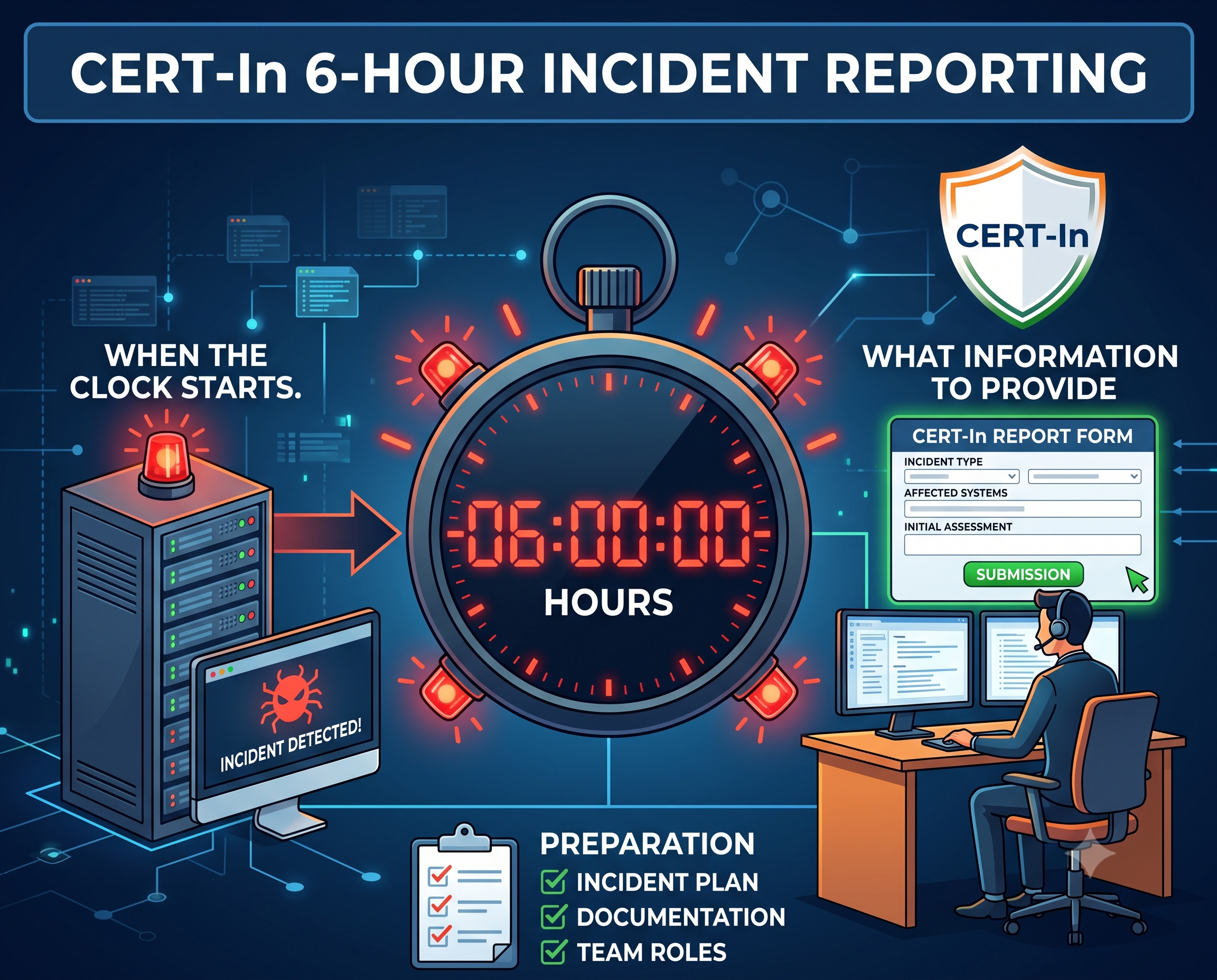
Under these directions, specified cyber incidents must be reported to CERT-In within 6 hours of the organisation noticing the incident or being brought to notice about the incident.
The requirement is designed to help CERT-In coordinate cyber incident response, analyse threats, support emergency measures, and strengthen cybersecurity across India's digital ecosystem.
Why Did CERT-In Introduce the 6-Hour Reporting Requirement?
Cyber incidents can spread quickly across systems, networks, applications, and connected organisations. Delayed reporting can make it harder to understand the scope of an attack, coordinate response activities, preserve relevant information, and reduce potential impact.
The CERT-In directions establish a defined reporting timeline so that relevant cyber incidents can be communicated to the national incident response agency without waiting for an organisation to complete its entire internal investigation.
- Improve national-level cyber incident visibility
- Enable faster coordination during significant incidents
- Support analysis and investigation
- Help identify emerging attack patterns
- Enable appropriate emergency response measures
- Improve coordination between affected organisations and relevant stakeholders
- Strengthen India's overall cybersecurity posture
Who Is Required to Report Cyber Incidents?
The CERT-In directions state that service providers, intermediaries, data centres, body corporates, and Government organisations are required to mandatorily report cyber incidents covered under the directions.
Organisations should therefore establish an internal process that allows security teams, IT teams, management, and designated incident response personnel to identify potentially reportable incidents and initiate the required reporting process without unnecessary delay.
What Does the 6-Hour Clock Mean?
The six-hour period is measured from the time the organisation notices the incident or is brought to notice about the incident.
This means organisations should not assume that the six-hour period begins only after a complete forensic investigation or root-cause analysis has been completed.
Incident response and regulatory reporting should therefore operate in parallel. The security team can begin investigation and containment while the organisation prepares the information required for reporting.
Example of the Six-Hour Timeline
Consider an organisation that detects suspicious ransomware activity on an enterprise server at 10:00 AM.
- 10:00 AM: Suspicious ransomware activity is detected
- 10:15 AM: The security team validates the alert and begins incident response
- 10:30 AM: Affected systems are identified and containment begins
- 11:00 AM: Incident severity and reporting requirements are assessed
- 12:00 PM: Available incident information is prepared for CERT-In reporting
- Within the applicable six-hour window: The incident is reported with the information available at that time
- After the initial report: Additional relevant information can be provided as it becomes available
The example demonstrates why organisations should maintain an incident reporting process that can operate before the investigation is fully complete.
Which Cyber Incidents Need to Be Reported?
The CERT-In directions include a list of cyber incidents in Annexure I. The reporting requirement covers specified categories of incidents, including serious and significant cybersecurity events.
CERT-In's official FAQ further explains that incidents meeting the specified criteria include severe cyber incidents such as denial-of-service, distributed denial-of-service, intrusion, and spread of computer contaminants including ransomware, as well as data breaches, data leaks, large-scale or frequent incidents, and incidents affecting human safety.
Ransomware and Malware Incidents
Ransomware and other serious malware incidents can affect the confidentiality, integrity, or availability of organisational systems and data. Organisations should have procedures to rapidly identify affected systems, contain the threat, preserve relevant evidence, and assess reporting requirements.
Data Breaches and Data Leaks
Data breaches and data leaks are among the incident categories specifically addressed by CERT-In's reporting guidance. Organisations should quickly determine what systems and information may have been affected while initiating the appropriate response and reporting process.
Intrusion Incidents
Unauthorised access or intrusion into computer resources can indicate that an attacker has gained access to systems or accounts. Security teams should investigate the entry point, affected resources, attacker activity, and potential persistence mechanisms.
Denial-of-Service and Distributed Denial-of-Service
Denial-of-service and distributed denial-of-service incidents can disrupt the availability of websites, applications, infrastructure, and other services. Serious incidents of this nature fall within the categories addressed by the CERT-In reporting framework.
Incidents Affecting Human Safety
CERT-In's FAQ also identifies cyber incidents impacting the safety of human beings among incidents that should be reported within the stipulated six-hour period.
What If All Incident Information Is Not Available Within Six Hours?
One of the most important practical points in the CERT-In FAQ is that organisations do not need to wait until every investigation detail is available before making the initial report.
CERT-In states that entities may provide the information available at the time of reporting. Additional information can be reported later within a reasonable time.
This means organisations should prioritise timely initial reporting while continuing their investigation, evidence collection, containment, and analysis.
- Do not delay the initial report while waiting for complete forensic findings
- Provide the information available at the time of reporting
- Clearly document known facts and incident details
- Continue investigation after the initial report
- Provide additional relevant information later
- Maintain incident records and supporting evidence
What Information Should Organisations Prepare for Incident Reporting?
The exact information required depends on the incident and the applicable CERT-In reporting format. Organisations should maintain an incident information checklist so that essential details can be collected quickly.
- Date and time of incident detection
- Date and time when the incident was brought to the organisation's notice
- Description of the incident
- Affected systems or services
- Affected IP addresses, domains, or resources where relevant
- Nature and category of the incident
- Initial assessment of impact
- Known indicators of compromise
- Relevant logs and security events
- Containment actions already taken
- Contact information of the responsible organisation or security team
- Additional technical information available at the time of reporting
Organisations should avoid delaying a report simply because some technical information is still under investigation.
How Can an Organisation Prepare for the Six-Hour Requirement?
Meeting a six-hour reporting requirement is primarily an operational readiness challenge. Organisations should establish the necessary processes before a security incident occurs.
- Define what constitutes a reportable cyber incident
- Assign incident response and reporting responsibilities
- Maintain an up-to-date incident response plan
- Define escalation procedures
- Maintain current security and management contact information
- Centralise relevant security logs
- Monitor endpoints, networks, identities, and critical applications
- Create an incident reporting checklist
- Prepare internal incident reporting templates
- Conduct incident response exercises
- Review reporting procedures periodically
Role of the CISO in CERT-In Incident Reporting
The Chief Information Security Officer, or CISO, can play an important role in coordinating cybersecurity incident response and compliance activities.
The CISO or designated security leadership should ensure that the organisation knows who is responsible for identifying reportable incidents, who can approve external communications, who prepares technical information, and who coordinates with CERT-In and other relevant stakeholders.
- Maintain incident reporting procedures
- Define internal escalation responsibilities
- Coordinate security and IT teams
- Ensure appropriate incident documentation
- Coordinate with legal and compliance teams where required
- Ensure timely external reporting
- Review incident response readiness
- Track lessons learned from previous incidents
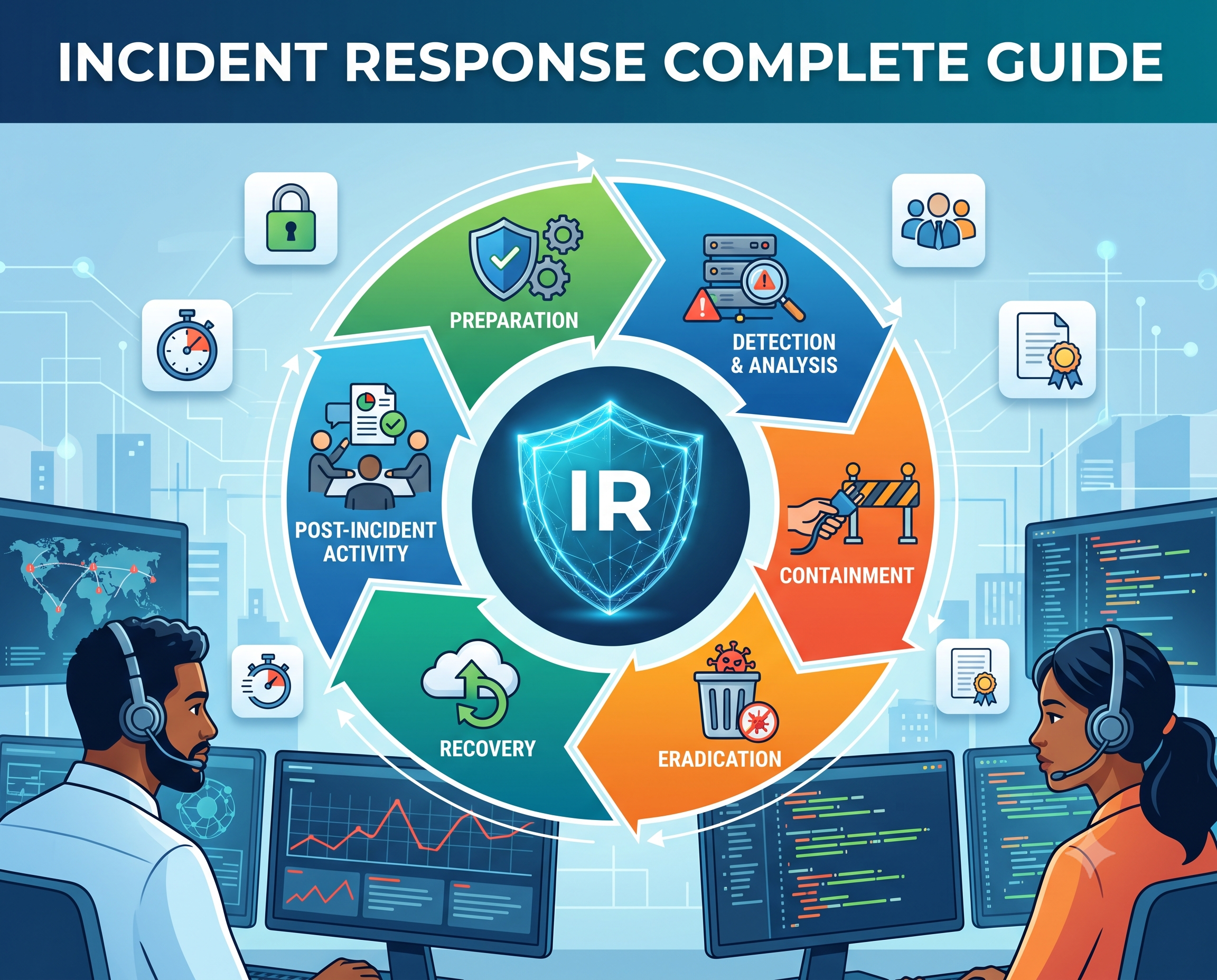
CERT-In Reporting and Incident Response
CERT-In reporting should not be treated as a separate activity from incident response. Both processes should operate together.
When an incident is detected, security teams should begin investigation and containment while the organisation assesses whether the incident falls within the applicable reporting requirements.
A Practical Incident Response Sequence
- Detect suspicious activity
- Validate and classify the incident
- Activate the incident response process
- Assess whether CERT-In reporting is required
- Begin containment and mitigation
- Collect the information currently available
- Submit the required report within the applicable timeframe
- Continue forensic investigation and remediation
- Provide additional information when available
- Complete recovery and lessons learned
Importance of Log Retention and Security Monitoring
Effective incident reporting depends heavily on having useful and reliable security information. Without appropriate logs, organisations may struggle to reconstruct what happened or provide relevant technical information during an investigation.
Organisations should therefore maintain appropriate logging and monitoring across critical infrastructure, applications, endpoints, network devices, authentication systems, and other relevant security controls.
- Centralised log collection
- Endpoint activity monitoring
- Authentication and access logs
- Firewall logs
- Network security logs
- Application logs
- Server logs
- Cloud activity logs
- Security alert history
- Incident investigation records
Why Accurate Time Synchronisation Matters
Accurate timestamps are important during cybersecurity investigations because incident responders often need to reconstruct the sequence of events across multiple systems.
The CERT-In directions require covered entities to connect ICT system clocks to specified Network Time Protocol sources, including NTP servers of the National Informatics Centre or National Physical Laboratory, or sources traceable to them, subject to the directions' provisions.
Accurate time synchronisation can help organisations correlate security events, identify attack timelines, and investigate incidents more effectively.
CERT-In Reporting During Ransomware Incidents
Ransomware incidents can evolve quickly and affect multiple systems. Organisations should therefore activate their incident response procedures immediately after identifying a suspected ransomware attack.
- Identify affected systems
- Isolate compromised systems or network segments
- Protect critical systems and backups
- Restrict unnecessary remote access
- Preserve relevant logs and evidence
- Identify indicators of compromise
- Assess the scope of the attack
- Initiate applicable CERT-In reporting
- Reset compromised credentials where appropriate
- Remove the attacker's persistence
- Patch exploited vulnerabilities
- Restore systems from trusted recovery sources
- Monitor restored systems for residual activity
CERT-In's ransomware guidance also recommends preserving relevant artefacts and logs, securing backups, hardening systems, and monitoring systems carefully during recovery.
CERT-In Reporting and Data Breaches
Data breaches can involve exposure, theft, or unauthorised access to sensitive organisational or personal information. Organisations should quickly determine the affected systems, data, users, and potential attack path.
The response should include containment, evidence preservation, investigation, remediation, and applicable reporting and notification activities.
CERT-In's guidance specifically identifies data breaches and data leaks among incidents requiring reporting within the stipulated six-hour timeframe when covered by the applicable directions.
Common Mistakes Organisations Make
- Waiting for complete forensic analysis before reporting
- Not defining who is responsible for CERT-In reporting
- Failing to monitor security events continuously
- Poor log retention and incomplete security records
- Not synchronising system clocks
- Failing to preserve evidence
- Treating reporting as separate from incident response
- Not conducting incident response exercises
- Failing to maintain current incident contact information
- Not documenting incident timelines
- Assuming only large organisations need incident response procedures
How SOC Teams Can Support CERT-In Compliance
A Security Operations Centre can help organisations improve their ability to identify and respond to potentially reportable incidents.
- Continuous security monitoring
- Centralised event collection
- Alert triage
- Threat detection
- Incident classification
- Endpoint investigation
- Network monitoring
- Indicator of compromise analysis
- Incident escalation
- Incident documentation
- Response coordination
A mature SOC can help reduce the time between initial detection, incident validation, containment, and reporting.
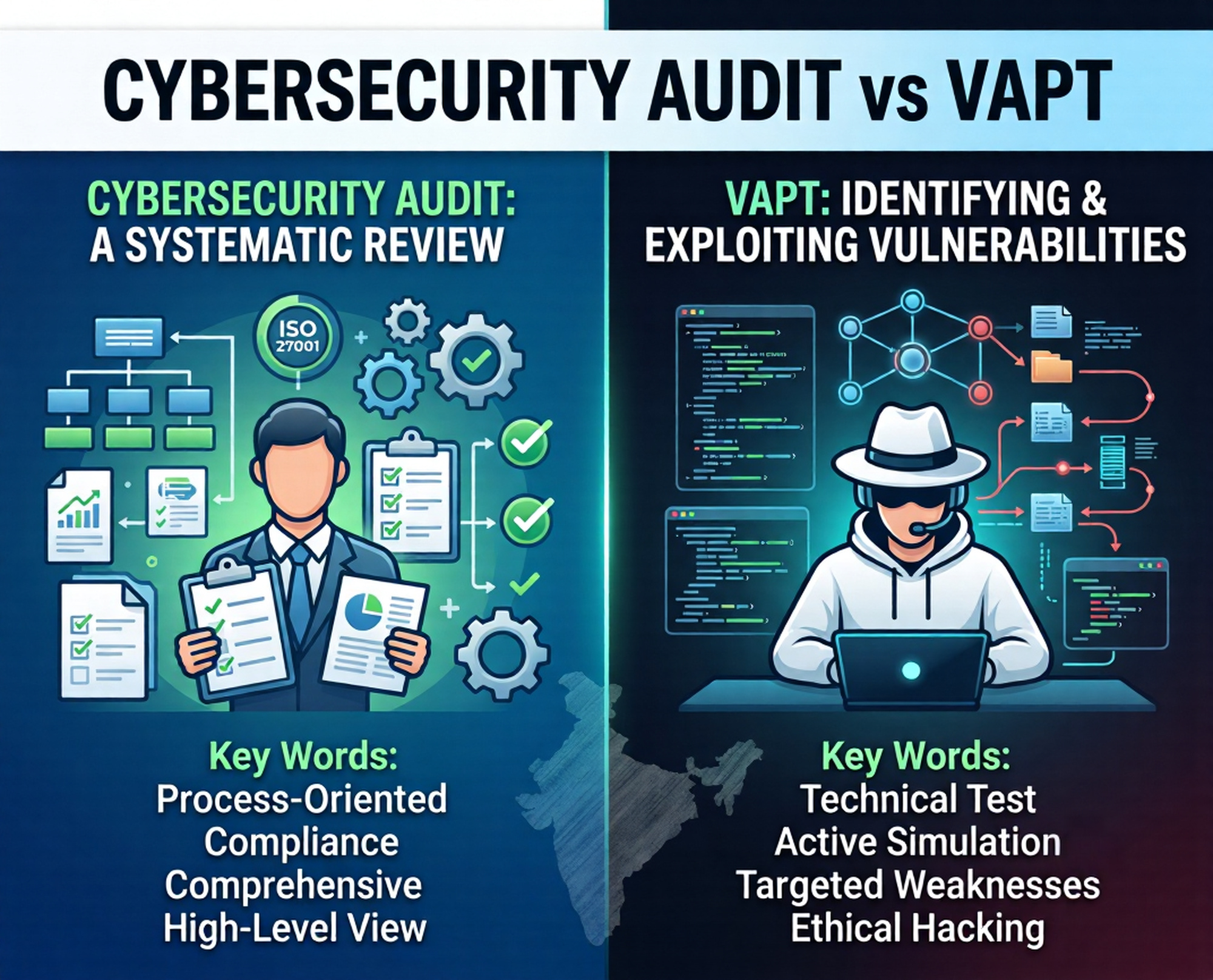
How Cybersecurity Audits Can Improve Reporting Readiness
Cybersecurity audits can help organisations assess whether their incident response and reporting processes are adequately documented and implemented.
An audit can review areas such as logging, monitoring, incident response plans, escalation procedures, evidence handling, access controls, vulnerability management, and security governance.
- Review incident response documentation
- Assess security monitoring capabilities
- Review log retention practices
- Check incident escalation procedures
- Evaluate response roles and responsibilities
- Review backup and recovery processes
- Assess vulnerability and patch management
- Test incident response readiness
- Identify compliance gaps
- Track remediation actions
CERT-In Reporting Checklist for Organisations
Organisations can use the following checklist to improve readiness for the six-hour reporting requirement.
- Incident response plan is documented
- Reportable incident categories are defined
- Security escalation contacts are current
- CISO or security leadership responsibilities are defined
- Security logs are available
- System clocks are synchronised
- Incident reporting checklist is prepared
- Incident severity levels are defined
- CERT-In reporting process is documented
- Containment procedures are tested
- Evidence preservation procedures are documented
- Backups are available and tested
- Incident response exercises are conducted regularly
- Post-incident review process is established
What Should Organisations Do Immediately After Detecting a Potentially Reportable Incident?
- Validate the security alert
- Record the detection time
- Activate the incident response process
- Determine the initial incident category and severity
- Identify affected systems and services
- Start appropriate containment measures
- Preserve relevant logs and evidence
- Assess CERT-In reporting requirements
- Prepare the information currently available
- Submit the report within the applicable six-hour period
- Continue investigation and remediation
- Provide additional information when it becomes available
- Document the complete incident timeline
- Conduct a post-incident review
Frequently Asked Questions About CERT-In 6-Hour Reporting
What is the CERT-In 6-hour reporting requirement?
The CERT-In Cyber Security Directions require specified cyber incidents to be reported to CERT-In within 6 hours of the organisation noticing the incident or being brought to notice about the incident.
Does the organisation need to complete its investigation before reporting?
No. CERT-In's FAQ states that organisations may provide the information available at the time of reporting and provide additional information later within a reasonable time.
What happens if some incident information is unavailable?
The organisation should provide the information available at the time of reporting and continue collecting additional information for subsequent reporting.
Does a ransomware attack need to be reported?
Ransomware is specifically identified among severe cyber incidents covered by CERT-In's reporting guidance. Organisations should assess the incident against the applicable directions and initiate reporting without unnecessary delay.
Do data breaches need to be reported to CERT-In?
CERT-In's FAQ identifies data breaches and data leaks among the incidents that should be reported within the stipulated six-hour period when covered by the applicable directions.
When does the six-hour period start?
The reporting period starts when the organisation notices the incident or is brought to notice about the incident.
Can incident response continue after reporting?
Yes. Reporting does not replace investigation, containment, eradication, recovery, or other incident response activities. Organisations should continue their response and provide additional relevant information as it becomes available.
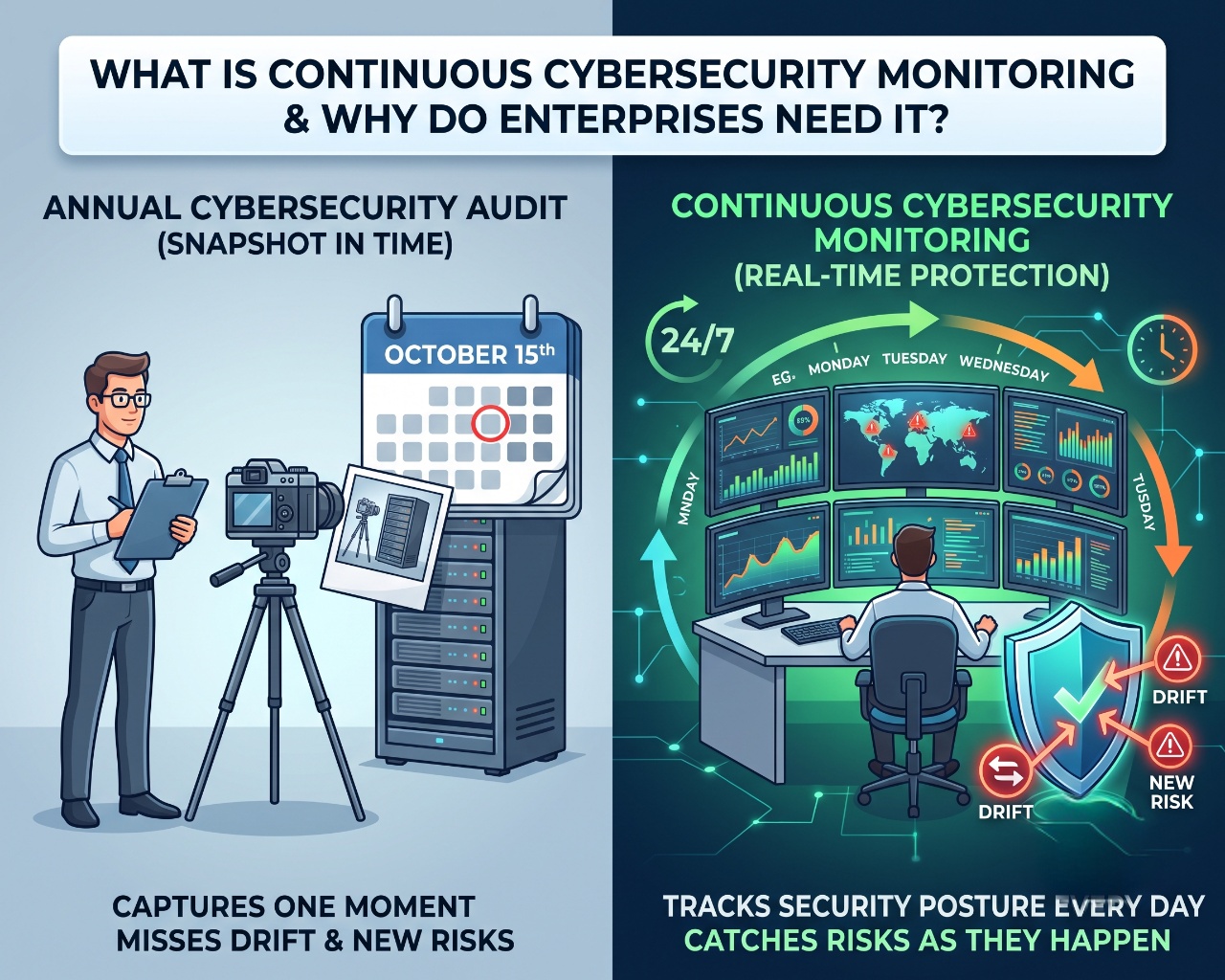
Why is continuous security monitoring important for CERT-In compliance?
Continuous monitoring can help organisations detect suspicious activity earlier, maintain relevant security records, investigate incidents faster, and initiate applicable reporting procedures within the required timeframe.
Key Takeaways
- CERT-In issued Cyber Security Directions on 28 April 2022 covering cyber incident prevention, response, and reporting
- Specified cyber incidents must be reported within 6 hours of being noticed or brought to the organisation's notice
- The reporting requirement applies to specified incidents covered by the directions
- Severe incidents, data breaches, data leaks, large-scale incidents, and incidents affecting human safety are among the categories addressed by CERT-In's FAQ
- Organisations do not need to wait for every investigation detail before making the initial report
- Available information can be reported first, with additional information provided later
- Incident reporting should operate alongside containment and investigation
- Reliable logging and monitoring are essential for incident response and reporting
- Accurate system time synchronisation supports incident investigation
- Regular incident response exercises can improve reporting readiness
Conclusion
The CERT-In 6-hour cyber incident reporting requirement makes timely incident detection, escalation, documentation, and response an important part of cybersecurity operations for organisations covered by the directions.
Organisations should not treat the six-hour requirement as a last-minute compliance activity. A documented incident response plan, continuous security monitoring, reliable logs, clear responsibilities, accurate system time, tested escalation procedures, and regular security exercises can help organisations identify reportable incidents and respond within the required timeframe.
The most effective approach is to integrate CERT-In reporting into the broader incident response process so that detection, containment, reporting, investigation, recovery, and lessons learned operate as one coordinated cybersecurity capability.
Recommended Solution
See how MOBISEC solves this in practice
Topics