What Is SEBI CSCRF?
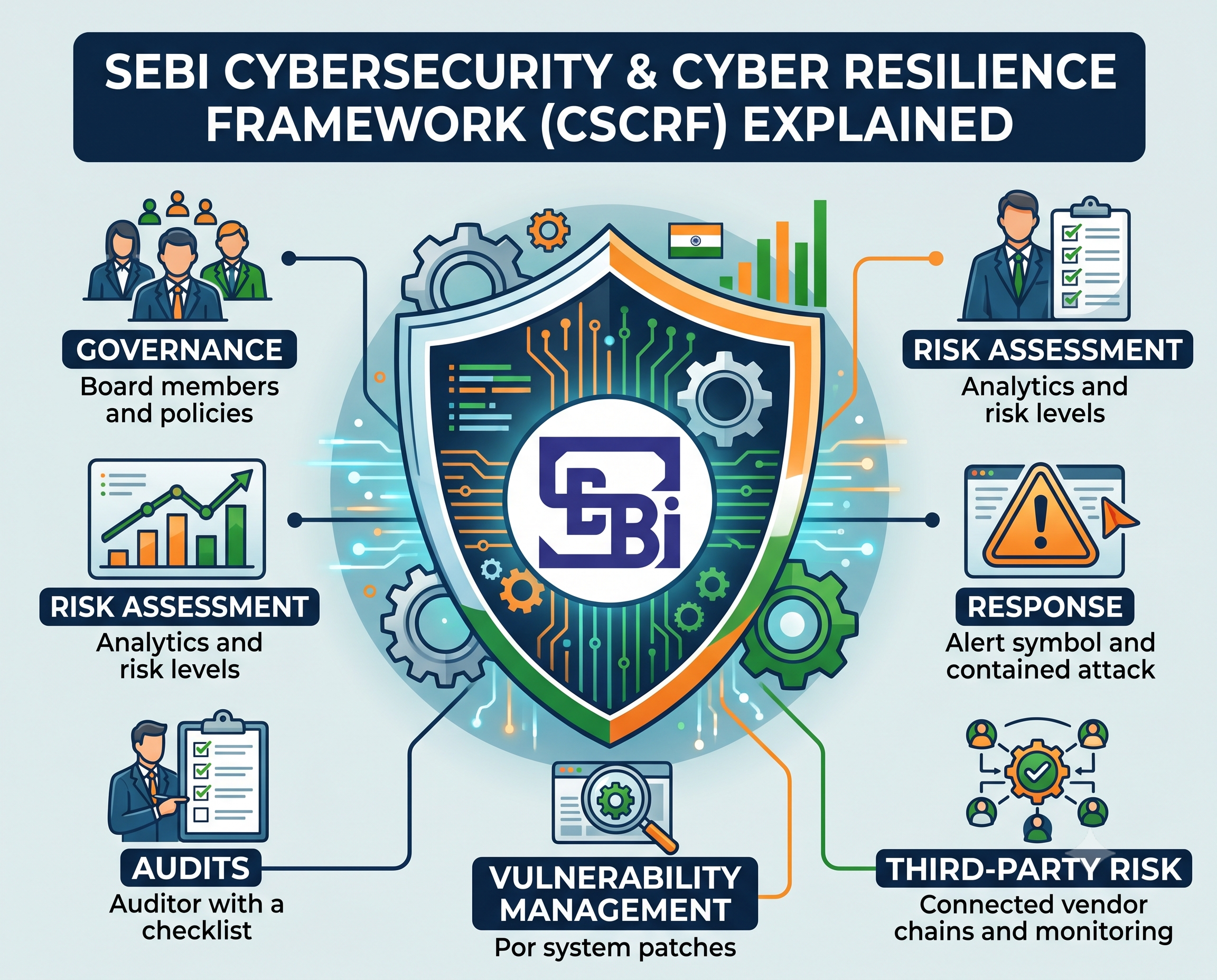
SEBI CSCRF stands for the Cybersecurity and Cyber Resilience Framework for SEBI Regulated Entities. The framework establishes cybersecurity and cyber resilience requirements for entities operating within India's securities market ecosystem.
The framework is intended to strengthen the ability of regulated entities to prevent, detect, respond to, recover from, and learn from cybersecurity incidents.
CSCRF brings cybersecurity governance, risk management, security controls, monitoring, incident response, testing, audits, and cyber resilience into a structured regulatory framework.
Why Did SEBI Introduce CSCRF?
The securities market depends heavily on technology, digital infrastructure, interconnected systems, online services, data, and third-party technology providers. A cybersecurity incident affecting one organisation can potentially affect investors, market operations, data, or other connected entities.
SEBI's CSCRF is designed to strengthen the overall cyber resilience of the securities market by establishing a structured approach to cybersecurity risk management and operational resilience.
- Improve cybersecurity governance
- Strengthen protection of critical systems and data
- Improve cyber risk management
- Enhance incident detection and response
- Improve recovery capabilities
- Strengthen security monitoring
- Improve vulnerability management
- Establish stronger audit and assessment practices
- Improve third-party cybersecurity management
- Strengthen overall market resilience
Who Does SEBI CSCRF Apply To?
CSCRF applies to SEBI Regulated Entities, commonly referred to as REs. The framework covers different categories of entities within the securities market ecosystem, with requirements and implementation expectations depending on the applicable entity category.
Organisations should therefore determine their specific regulatory classification and review the requirements applicable to that category instead of assuming that every CSCRF requirement applies identically to every entity.
Examples of SEBI Regulated Entities
- Stock brokers
- Depository participants
- Asset management companies
- Mutual funds
- Portfolio managers
- KYC registration agencies
- Registrar and transfer agents
- Investment advisers
- Research analysts
- Other SEBI-regulated entities
- Market infrastructure institutions where applicable
The exact obligations depend on the entity's category and applicable SEBI directions, circulars, clarifications, and implementation requirements.
What Are Cybersecurity and Cyber Resilience?
Cybersecurity focuses on protecting systems, applications, networks, devices, identities, and information from cyber threats.
Cyber resilience goes further by focusing on an organisation's ability to continue operating, respond to security incidents, recover affected systems, and adapt after a cyberattack.
A resilient organisation should not only attempt to prevent attacks but also be prepared for situations where preventive controls fail.
- Prevent cyber incidents
- Detect suspicious activity
- Respond quickly to incidents
- Contain security threats
- Recover affected systems
- Maintain business operations
- Learn from incidents
- Improve security controls
Key Components of SEBI CSCRF
CSCRF covers multiple areas of cybersecurity and cyber resilience. Organisations should approach these requirements as an integrated security program rather than as isolated compliance tasks.
- Cybersecurity governance
- Cyber risk assessment
- Asset management
- Security controls
- Identity and access management
- Vulnerability management
- Patch management
- Security monitoring
- Incident response
- Cyber resilience
- Data security
- Network security
- Application security
- Cloud security
- Third-party risk management
- Security audits
- Vulnerability assessment and penetration testing
- Business continuity
- Disaster recovery
- Security awareness
Cybersecurity Governance Under CSCRF
Strong cybersecurity governance is a foundation of an effective CSCRF program. Security responsibilities should be clearly assigned and supported by management oversight.
Governance should establish who owns cybersecurity risk, who is responsible for implementing controls, who monitors security performance, and who makes decisions during major cybersecurity incidents.
- Management oversight
- Defined cybersecurity responsibilities
- Security policies
- Risk ownership
- CISO or designated security leadership
- Security committees where applicable
- Incident escalation procedures
- Security performance monitoring
- Compliance oversight
- Periodic management review
Role of the CISO
The Chief Information Security Officer, or CISO, plays an important role in coordinating cybersecurity activities within applicable regulated entities.
The CISO or designated cybersecurity leadership should help establish security policies, manage cyber risk, coordinate security operations, monitor compliance, support incident response, and communicate significant cybersecurity risks to appropriate management stakeholders.
- Cybersecurity strategy
- Security governance
- Cyber risk management
- Security policy
- Incident response
- Vulnerability management
- Security monitoring
- Audit coordination
- Compliance tracking
- Security awareness
- Management reporting
Cyber Risk Assessment Under CSCRF
Cyber risk assessment helps organisations identify security threats, vulnerabilities, business impact, and areas requiring additional protection.
A risk-based approach allows organisations to prioritise cybersecurity resources according to the importance and potential impact of systems and services.
- Identify critical business assets
- Identify sensitive data and systems
- Identify cybersecurity threats
- Identify vulnerabilities
- Assess likelihood
- Assess potential impact
- Determine risk level
- Prioritise remediation
- Assign control owners
- Track remediation
- Review risk periodically
Asset Inventory and Classification
Maintaining an accurate asset inventory is essential for effective cybersecurity. Organisations need visibility into the technology supporting their business and securities-market operations.
- Servers
- Workstations
- Laptops
- Network devices
- Applications
- Databases
- Cloud resources
- Security systems
- Critical infrastructure
- Third-party services
- Business-critical systems
Assets should be classified according to their business importance and security requirements so that critical systems receive appropriate protection and monitoring.
Critical Systems and Cybersecurity
Some systems can have a significantly greater impact on business operations or market activities than others. Organisations should identify systems that require stronger security controls, monitoring, resilience, and recovery capabilities.
Criticality can be considered when defining access controls, backup requirements, monitoring, incident response priorities, vulnerability remediation, and recovery procedures.
Identity and Access Management
Identity and access controls help ensure that users and administrators receive only the access required to perform their responsibilities.
- Unique user identities
- Strong authentication
- Multi-factor authentication where appropriate
- Role-based access control
- Least privilege
- Privileged account management
- Periodic access reviews
- Timely removal of inactive accounts
- Monitoring of privileged activity
- Secure remote access
Access controls should be reviewed regularly, particularly for privileged users and access to critical systems.
Vulnerability Management Under CSCRF
Vulnerability management is an important part of maintaining a resilient security environment. Organisations should identify vulnerabilities, evaluate their risk, prioritise remediation, and verify that vulnerabilities have been addressed.
- Vulnerability discovery
- Risk-based prioritisation
- Asset mapping
- Security patching
- Remediation tracking
- Exception management
- Compensating controls
- Remediation verification
- Management reporting
A vulnerability should not be considered resolved simply because a patch was scheduled. Organisations should verify that the vulnerable condition has actually been addressed.
Patch Management
Patch management is closely connected to vulnerability management. Security updates should be evaluated and deployed according to their risk and the criticality of affected systems.
- Identify missing security patches
- Prioritise critical updates
- Test updates where necessary
- Deploy patches
- Verify installation
- Track exceptions
- Document delayed remediation
- Monitor newly disclosed vulnerabilities
Patch management should include operating systems, applications, network devices, security products, and other relevant technology components.
VAPT and Security Testing
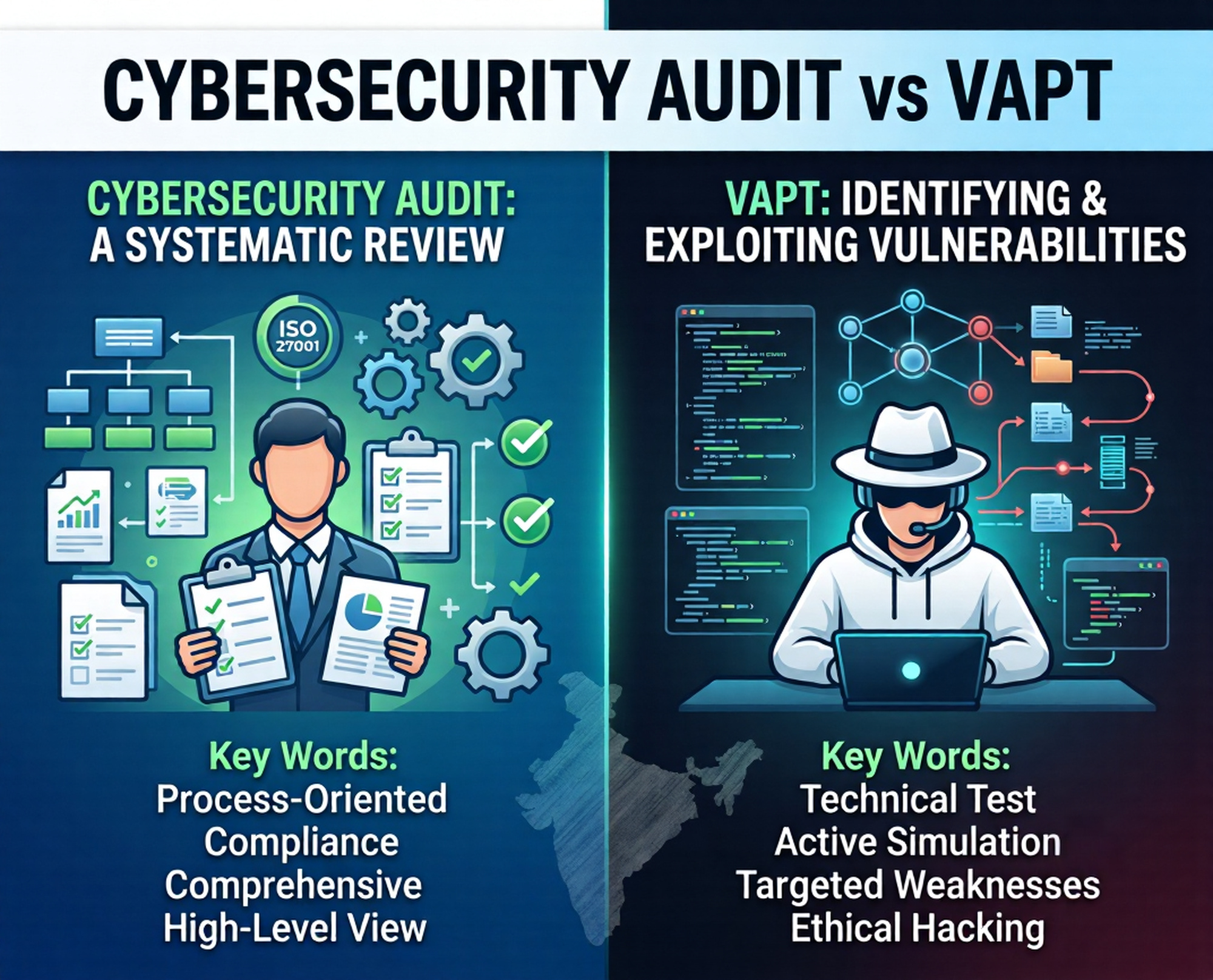
Vulnerability Assessment and Penetration Testing, commonly called VAPT, helps organisations identify weaknesses that could potentially be exploited by attackers.
Security testing can provide evidence about the effectiveness of security controls and help organisations prioritise remediation.
- Network vulnerability assessment
- Web application testing
- Mobile application testing
- API security testing
- Infrastructure testing
- External attack surface testing
- Internal security testing
- Penetration testing
- Remediation verification
The frequency, scope, and methodology of testing should follow the requirements applicable to the relevant SEBI-regulated entity and its risk profile.
Security Monitoring Under CSCRF
Continuous security monitoring provides visibility into security events across systems, networks, endpoints, applications, and identities.
Monitoring helps organisations detect suspicious behaviour earlier and provides information required for incident investigation and response.
- Security event monitoring
- Endpoint monitoring
- Network monitoring
- Identity monitoring
- Application monitoring
- Threat detection
- Log analysis
- Alert management
- Security incident escalation
- Historical event analysis
SIEM and Security Event Monitoring
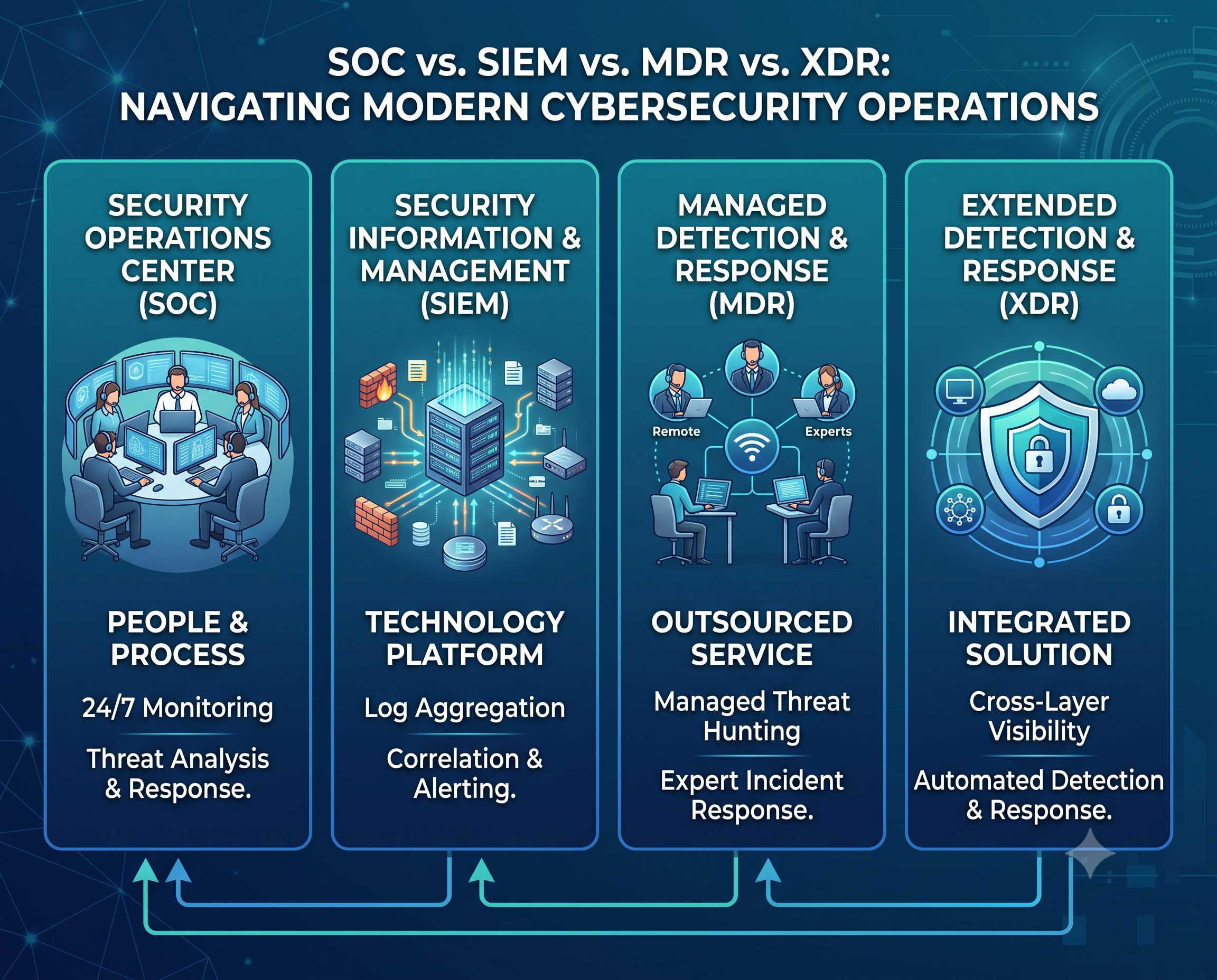
A Security Information and Event Management platform, commonly known as SIEM, can centralise security events from multiple systems and help security teams correlate activity.
SIEM capabilities can support threat detection, investigation, incident response, reporting, and security visibility.
- Centralised log collection
- Event correlation
- Security alerting
- Threat detection
- Historical analysis
- Incident investigation
- Security reporting
- Compliance evidence
A SIEM is a technology component of a security program and should be combined with appropriate people, processes, and incident response procedures.
Incident Response Under CSCRF
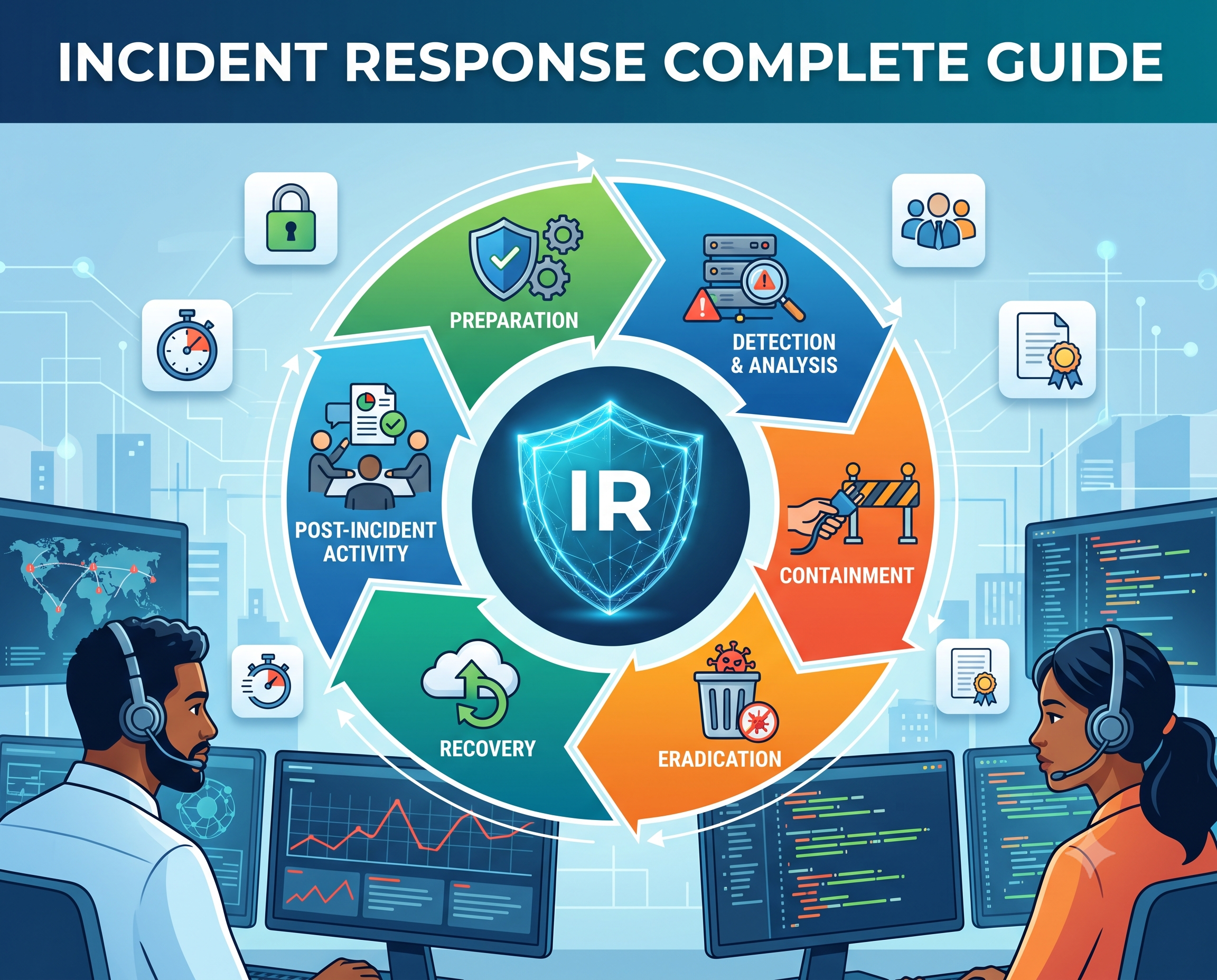
A strong incident response capability is essential for cyber resilience. Organisations should have documented procedures for detecting, analysing, containing, eradicating, and recovering from cybersecurity incidents.
- Detect the security event
- Validate the incident
- Classify severity
- Activate incident response
- Contain affected systems
- Investigate the attack
- Preserve evidence
- Remove the threat
- Recover affected systems
- Monitor the environment
- Complete post-incident review
- Implement corrective actions
Incident response procedures should be tested periodically so that security teams understand their roles before a real incident occurs.
Cyber Incident Reporting
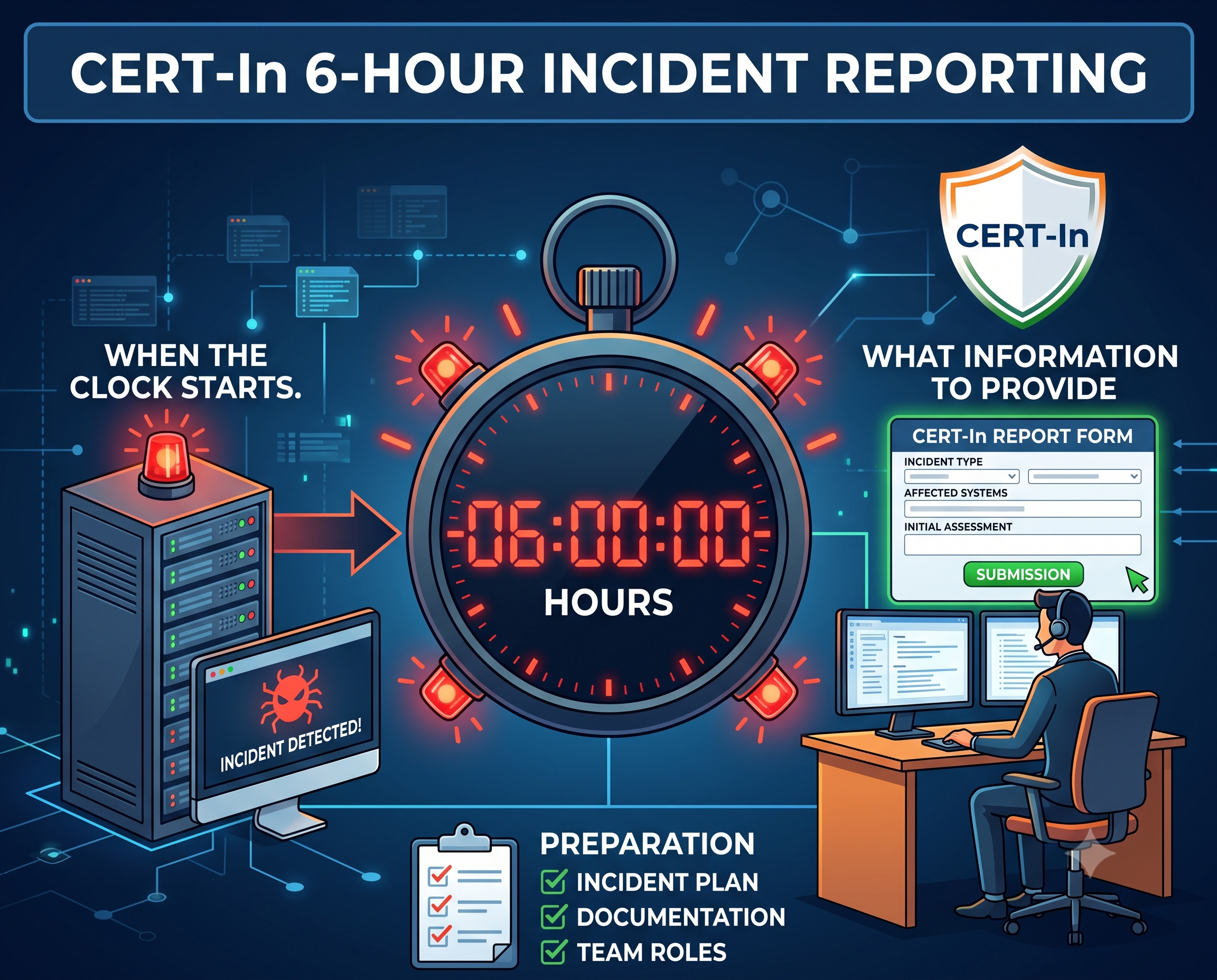
Cyber incident reporting is an important part of regulatory cybersecurity operations. Applicable SEBI-regulated entities should maintain procedures for identifying reportable incidents and submitting the required information through the applicable regulatory channels.
Incident reporting should operate alongside containment and investigation. Organisations should not wait for every forensic detail before beginning the applicable reporting process when regulatory timelines require earlier action.
SEBI CyberSuraksha and Incident Reporting
SEBI's CyberSuraksha platform provides cybersecurity-related resources for the securities market, including advisories, circulars, FAQs, incident-related information, vulnerability intelligence, and security resources.
The platform also provides capabilities related to security incident reporting and threat information for the securities-market ecosystem.
Data Security Under CSCRF
Data security focuses on protecting information against unauthorised access, modification, disclosure, destruction, or loss.
- Data classification
- Access control
- Encryption
- Secure data storage
- Secure data transmission
- Data loss prevention
- Backup and recovery
- Data retention
- Secure disposal
- Monitoring of sensitive data access
Organisations should identify important data assets and apply security controls appropriate to their sensitivity and business impact.
Network Security
Network security controls help protect critical infrastructure and reduce opportunities for unauthorised access or lateral movement.
- Network segmentation
- Firewalls
- Intrusion detection
- Intrusion prevention
- Secure remote access
- Network monitoring
- Secure configuration
- Access control
- Traffic analysis
- Network device hardening
Critical systems should be appropriately isolated and monitored to reduce the potential impact of a compromised endpoint or user account.
Application Security
Applications used by regulated entities can contain sensitive financial, investor, operational, and authentication information. Application security should therefore be integrated throughout the software development lifecycle.
- Secure coding practices
- Application vulnerability assessment
- Code review
- Dependency management
- API security
- Authentication security
- Authorisation controls
- Input validation
- Security testing
- Application logging
Cloud Security Under CSCRF
Cloud environments introduce additional considerations around identity, configuration, data protection, logging, monitoring, third-party access, and shared responsibility.
Regulated entities using cloud services should understand their responsibilities and the responsibilities of their cloud providers.
- Cloud asset inventory
- Identity and access management
- Multi-factor authentication
- Secure cloud configuration
- Data protection
- Cloud logging
- Security monitoring
- Vulnerability management
- Backup and recovery
- Third-party access control
- Cloud incident response
Third-Party and Vendor Risk Management
Third-party service providers can introduce cybersecurity risks into an organisation's environment. A vendor with access to systems, applications, infrastructure, or sensitive information can become part of the organisation's attack surface.
Third-party risk management should therefore be integrated into the broader CSCRF security program.
- Vendor security assessment
- Security requirements in contracts
- Access control
- Data protection
- Security monitoring
- Incident notification requirements
- Vulnerability management
- Business continuity
- Audit requirements
- Vendor offboarding
Cybersecurity Audits Under CSCRF
Cybersecurity audits provide an independent assessment of whether security controls and processes are appropriately implemented and whether the organisation is meeting applicable cybersecurity requirements.
Audits can identify control weaknesses, documentation gaps, implementation issues, and areas requiring remediation.
Areas Commonly Reviewed During a Cybersecurity Audit
- Cybersecurity governance
- Risk management
- Asset management
- Access control
- Endpoint security
- Network security
- Application security
- Vulnerability management
- Patch management
- Security monitoring
- Incident response
- Data security
- Backup and recovery
- Third-party security
- Cloud security
- Security awareness
Compliance Evidence
A mature CSCRF program should maintain evidence demonstrating that security controls are implemented and operating.
- Security policies
- Risk assessments
- Asset inventories
- Vulnerability reports
- Patch reports
- VAPT reports
- Access reviews
- Security monitoring reports
- Incident records
- Audit reports
- Remediation records
- Security awareness records
- Backup test results
- Third-party assessment records
Maintaining evidence continuously is more effective than attempting to recreate compliance evidence immediately before an audit.
Business Continuity and Disaster Recovery
Cyber resilience includes the ability to maintain or restore critical operations after a cybersecurity incident.
Business continuity and disaster recovery plans should identify critical services, recovery priorities, responsible teams, recovery procedures, and dependencies.
- Critical service identification
- Recovery objectives
- Backup strategy
- Disaster recovery procedures
- System restoration
- Data recovery
- Alternative operating procedures
- Communication procedures
- Recovery testing
- Post-recovery validation
Security Awareness and Training
Employees and contractors can influence an organisation's cybersecurity posture through their daily use of systems and data.
Security awareness programs should help users recognise threats and follow secure operating procedures.
- Phishing awareness
- Password security
- Multi-factor authentication
- Social engineering awareness
- Secure data handling
- Device security
- Incident reporting
- Safe remote access
- Security policy awareness
CSCRF and Continuous Security Monitoring
Periodic assessments alone may not provide sufficient visibility into an organisation's changing security posture. New devices, vulnerabilities, users, applications, configurations, and threats can appear between formal assessments.
Continuous security monitoring helps organisations identify security deviations and suspicious activity closer to when they occur.
- Continuous endpoint visibility
- Configuration monitoring
- Vulnerability monitoring
- Security event monitoring
- Identity monitoring
- Threat detection
- Incident alerting
- Control monitoring
- Compliance evidence collection
- Remediation tracking
How to Implement CSCRF
- Determine the applicable SEBI regulated entity category
- Identify the CSCRF requirements applicable to the organisation
- Create an inventory of critical assets and systems
- Perform a cybersecurity risk assessment
- Identify security control gaps
- Establish cybersecurity governance
- Define security policies and responsibilities
- Implement identity and access controls
- Implement vulnerability and patch management
- Establish security monitoring
- Strengthen incident response
- Conduct applicable VAPT and security assessments
- Assess third-party security risks
- Implement backup and recovery controls
- Maintain compliance evidence
- Conduct cybersecurity audits
- Track remediation activities
- Review and improve the security program continuously
CSCRF Compliance Checklist
- Applicable SEBI entity category identified
- Cybersecurity governance established
- CISO or security leadership identified
- Cybersecurity policies documented
- Critical assets identified
- Asset inventory maintained
- Cyber risk assessment performed
- Access controls implemented
- Privileged access monitored
- Vulnerability management implemented
- Patch management implemented
- Security monitoring implemented
- Incident response plan documented
- Incident response exercises conducted
- VAPT performed where applicable
- Third-party security assessed
- Cloud security controls implemented where applicable
- Data protection controls implemented
- Backup and disaster recovery tested
- Cybersecurity audit completed where applicable
- Compliance evidence maintained
- Remediation activities tracked
Common CSCRF Implementation Challenges
- Incomplete asset inventory
- Unclear cybersecurity ownership
- Insufficient security monitoring
- Delayed vulnerability remediation
- Poor patch management
- Weak privileged access controls
- Insufficient incident response testing
- Limited third-party visibility
- Inconsistent security documentation
- Poor compliance evidence management
- Lack of continuous control monitoring
- Unresolved audit findings
- Insufficient management visibility
CSCRF vs Traditional Cybersecurity Compliance
Traditional cybersecurity compliance programs can sometimes focus heavily on periodic audits and documentation. Cyber resilience requires a broader approach that continuously evaluates whether security controls are working and whether the organisation can respond to and recover from cyber incidents.
- Traditional compliance: Periodic assessment
- Cyber resilience: Continuous security improvement
- Traditional compliance: Focus on documented controls
- Cyber resilience: Focus on operational effectiveness
- Traditional compliance: Audit-driven visibility
- Cyber resilience: Continuous monitoring
- Traditional compliance: Control verification
- Cyber resilience: Detection, response, recovery, and adaptation
Frequently Asked Questions About SEBI CSCRF
What does CSCRF stand for?
CSCRF stands for Cybersecurity and Cyber Resilience Framework.
What is the purpose of SEBI CSCRF?
The purpose of CSCRF is to strengthen cybersecurity and cyber resilience among applicable SEBI-regulated entities and improve the security and resilience of India's securities market ecosystem.
Who needs to comply with SEBI CSCRF?
CSCRF applies to applicable SEBI-regulated entities. The specific requirements depend on the entity category and the applicable SEBI circulars, clarifications, FAQs, and implementation provisions.
Is CSCRF mandatory?
CSCRF requirements apply to the SEBI-regulated entities covered by the framework and applicable regulatory provisions. Organisations should determine the requirements applicable to their specific entity category.
Does CSCRF require cybersecurity audits?
The framework includes cybersecurity assessment and audit-related requirements for applicable regulated entities. The exact scope and frequency depend on the entity category and applicable SEBI requirements.
Does CSCRF include VAPT?
Vulnerability assessment and penetration testing are important components of the cybersecurity controls and assessment approach under the framework, subject to the requirements applicable to the relevant regulated entity.
Why is continuous monitoring important for CSCRF?
Continuous monitoring helps organisations identify suspicious activity, control deviations, vulnerabilities, and security events between periodic assessments and supports faster incident response and better security visibility.
Does CSCRF cover third-party risk?
Yes. Third-party and outsourcing relationships can introduce cybersecurity risks, making vendor security assessment, access control, contractual requirements, monitoring, and incident management important parts of a mature cybersecurity program.
How can an organisation prepare for CSCRF compliance?
Organisations can begin by identifying their applicable SEBI requirements, assessing cyber risks, maintaining asset inventories, implementing security controls, establishing monitoring and incident response, conducting required assessments, maintaining evidence, and continuously tracking remediation.
Key Takeaways
- SEBI CSCRF stands for Cybersecurity and Cyber Resilience Framework
- The framework applies to applicable SEBI-regulated entities
- CSCRF combines cybersecurity with broader cyber resilience
- Governance and risk management are foundational requirements
- Asset visibility is essential for effective cybersecurity
- Vulnerability and patch management are important security controls
- Security monitoring supports detection and response
- Incident response is a key part of cyber resilience
- VAPT and cybersecurity assessments help identify security weaknesses
- Third-party and cloud security require appropriate risk management
- Cybersecurity audits help assess control effectiveness
- Compliance evidence should be maintained continuously
- Business continuity and disaster recovery support cyber resilience
- Continuous monitoring can improve security visibility and audit readiness
Conclusion
SEBI CSCRF represents a structured approach to strengthening cybersecurity and cyber resilience across India's securities market ecosystem.
For regulated entities, effective CSCRF implementation is not simply about completing an audit or maintaining cybersecurity documentation. Organisations need an operating security program that combines governance, risk management, asset visibility, vulnerability management, access control, monitoring, incident response, security testing, third-party risk management, and recovery capabilities.
The strongest approach is to treat compliance as a continuous process. By continuously monitoring security controls, identifying vulnerabilities, maintaining evidence, testing response procedures, and addressing security gaps, SEBI-regulated entities can improve both regulatory readiness and their ability to withstand real-world cyber threats.
Recommended Solution
See how MOBISEC solves this in practice
Topics