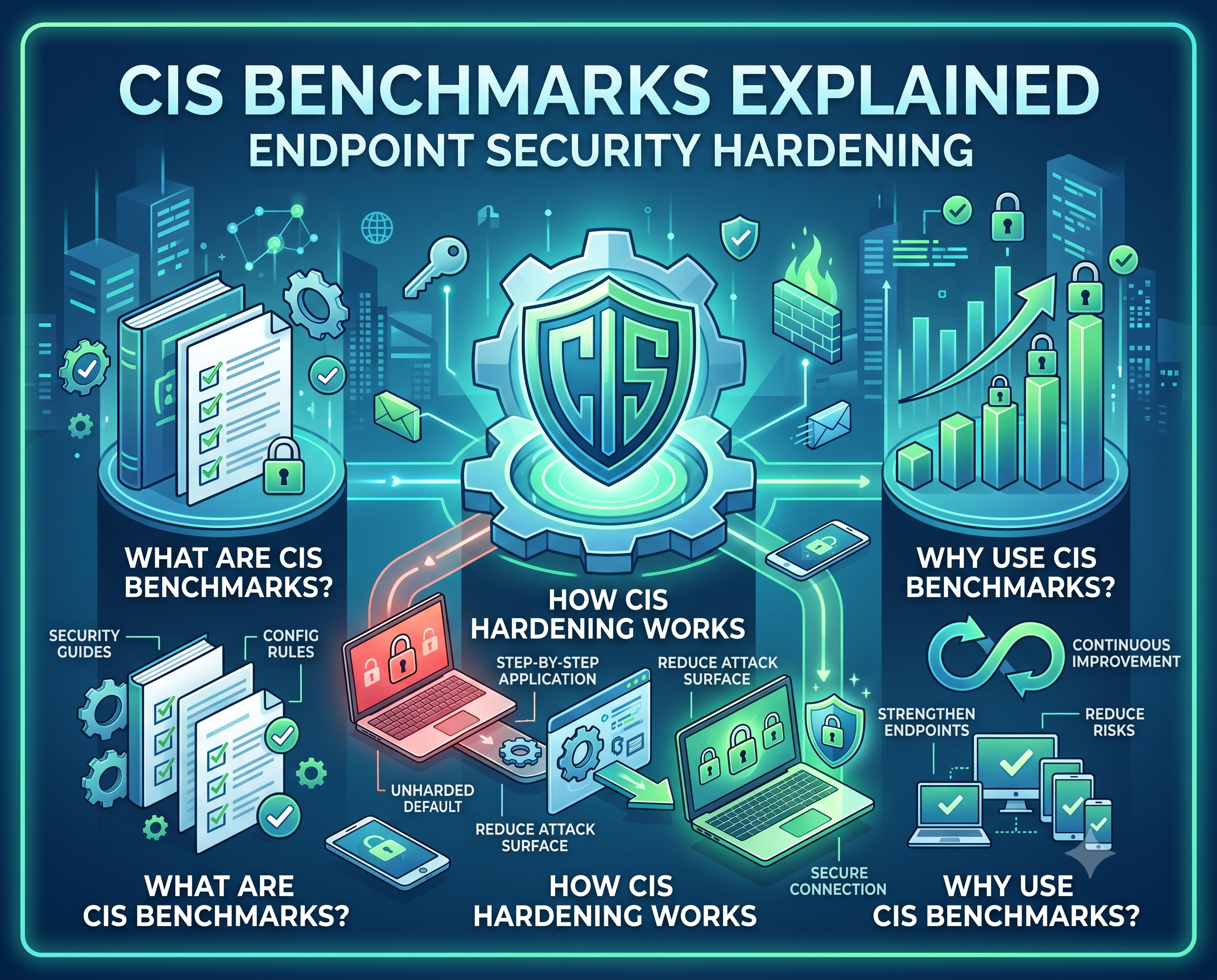
What Are CIS Benchmarks?
CIS Benchmarks are security configuration recommendations developed by the Center for Internet Security to help organisations establish more secure configurations for operating systems, applications, cloud platforms, network devices, and other technologies.
A benchmark provides a structured set of configuration recommendations that security and IT teams can use to assess whether systems are configured according to an established security baseline.
Instead of relying only on general security policies such as "use secure configurations," CIS Benchmarks provide detailed configuration guidance that can be assessed against specific systems and technologies.
This makes CIS Benchmarks useful for endpoint hardening, security configuration assessment, compliance programmes, vulnerability reduction, and ongoing security posture management.
Why CIS Benchmarks Matter for Endpoint Security
Endpoints are frequent targets for attackers because they are widely distributed, regularly connected to networks, and often used to access sensitive business applications and information.
An endpoint can have security software installed and still remain exposed because of unnecessary services, weak configuration settings, excessive privileges, insecure protocols, outdated settings, or other configuration weaknesses.
CIS Benchmarks provide a practical way to convert security requirements into measurable configuration checks.
- Reduce unnecessary attack surface.
- Establish consistent endpoint security configurations.
- Identify insecure or unexpected settings.
- Create repeatable security configuration assessments.
- Support endpoint hardening programmes.
- Improve visibility into configuration weaknesses.
- Provide evidence for security and compliance reviews.
- Create a baseline that can be monitored for configuration drift.
How CIS Benchmarks Support Endpoint Hardening
Endpoint hardening is the process of reducing unnecessary security risks by configuring systems with appropriate security controls and limiting functionality that is not required.
CIS Benchmarks can support this process by providing technology-specific recommendations that security teams can evaluate, implement, and monitor.
The exact recommendations vary by operating system, software version, technology, and benchmark. Organisations should therefore use the benchmark that matches the specific technology and version being secured.
Reduce Unnecessary Services
Unused services and components can increase the attack surface of an endpoint.
A hardening assessment can identify services that are unnecessary for the organisation's use case so that they can be disabled or otherwise controlled where appropriate.
Strengthen Authentication and Access
Endpoint security depends heavily on authentication and access controls.
Hardening recommendations may address areas such as password configuration, account management, privileged access, authentication mechanisms, and related security settings.
Improve Logging and Auditing
Security logs provide important information for detecting suspicious activity, investigating incidents, and validating security controls.
Appropriate audit and logging configurations can help organisations maintain useful security visibility while managing storage, performance, and operational requirements.
Control Network Exposure
Endpoints may expose unnecessary network services, protocols, or ports when systems are not configured according to their intended role.
Hardening can help reduce unnecessary network exposure by applying appropriate firewall, service, protocol, and connectivity configurations.
Strengthen System Configuration
Operating systems contain many security-relevant settings that can affect authentication, permissions, networking, services, auditing, and application behaviour.
A standardised configuration baseline helps security teams identify settings that do not match the organisation's approved security posture.
CIS Benchmarks vs General Security Hardening
CIS Benchmarks and endpoint hardening are closely related, but they are not exactly the same thing.
Endpoint hardening is the broader security practice of reducing attack surface and strengthening system configurations.
CIS Benchmarks provide structured recommendations that can be used as one important source for defining and evaluating secure configurations.
- Endpoint hardening is the overall security objective.
- CIS Benchmarks provide detailed configuration recommendations.
- Security baselines define the configurations an organisation chooses to enforce.
- Configuration monitoring checks whether systems continue to match those baselines.
- Remediation restores systems when unacceptable deviations are identified.
What Does a CIS Benchmark Contain?
A CIS Benchmark is organised into individual recommendations that address specific security configurations for a supported technology.
Depending on the benchmark, recommendations can cover operating-system settings, services, authentication, permissions, auditing, networking, security controls, and other technology-specific configurations.
Recommendation
Each recommendation identifies a security configuration that should be evaluated.
Rationale
The rationale explains why the configuration is relevant to security and helps administrators understand the purpose of the recommendation.
Assessment
An assessment determines whether the target system currently satisfies the recommendation.
Remediation
Remediation provides guidance for changing the configuration when the system does not satisfy the recommendation.
Profile or Security Level
Some CIS Benchmarks provide different profiles that allow organisations to apply security recommendations according to their operational and risk requirements.
Organisations should evaluate the impact of recommendations before applying them broadly because aggressive hardening can sometimes affect compatibility, functionality, performance, or business workflows.
How to Use CIS Benchmarks for Endpoint Security
Using CIS Benchmarks effectively requires more than downloading a benchmark and applying every recommendation immediately.
A successful endpoint hardening programme should combine assessment, risk evaluation, controlled implementation, validation, monitoring, and remediation.
- Identify the operating systems, applications, and endpoint technologies that need to be secured.
- Select the appropriate CIS Benchmark for each supported technology and version.
- Review the benchmark recommendations and understand their security objectives.
- Map recommendations to organisational security requirements and existing policies.
- Identify which recommendations are applicable to each endpoint group.
- Test recommended changes on representative systems.
- Measure compatibility and business impact before wider deployment.
- Apply approved hardening configurations.
- Validate that the intended security settings are actually applied.
- Record exceptions for configurations that cannot be implemented.
- Continuously assess endpoint configurations against the approved baseline.
- Investigate and remediate significant deviations.
- Review the baseline periodically as systems, threats, and business requirements change.
Step 1: Identify Your Endpoint Environment
Before implementing CIS hardening, organisations should understand what they are actually trying to secure.
- Windows workstations and laptops.
- Windows servers.
- Linux servers and workstations.
- macOS endpoints.
- Virtual machines.
- Cloud-hosted workloads.
- Network and security appliances where applicable.
- Business applications.
- Privileged administration systems.
- Special-purpose endpoints.
The correct benchmark depends on the technology and version being assessed. Maintaining an accurate endpoint inventory is therefore an important foundation for benchmark-based hardening.
Step 2: Select the Appropriate CIS Benchmark
CIS provides benchmarks for many different technologies. Security teams should select the benchmark that corresponds to the technology being secured rather than applying generic configuration recommendations.
Version alignment is also important. Organisations should verify that the benchmark recommendations are appropriate for the operating-system or software version deployed in their environment.
Match the Technology
First identify the exact operating system, application, cloud service, network technology, or other platform that requires hardening.
Match the Version
Configuration options can change between software and operating-system versions. Teams should therefore validate that the selected benchmark applies to the deployed version.
Review Applicability
Not every recommendation will be appropriate for every endpoint. Business requirements, technical dependencies, device roles, and operational constraints should be considered before implementation.
Step 3: Establish an Approved Security Baseline
A CIS Benchmark should not automatically become the organisation's complete security policy.
Security teams should evaluate benchmark recommendations and create an approved security baseline that reflects the organisation's risk profile, technology environment, business requirements, and operational constraints.
This approved baseline becomes the reference configuration against which endpoints can be assessed.
- Required security settings.
- Approved services and protocols.
- Authentication requirements.
- Logging and auditing requirements.
- Network configuration requirements.
- Administrative access requirements.
- Endpoint-specific exceptions.
- Business-critical compatibility requirements.
Step 4: Test Hardening Before Deployment
Hardening changes should be tested before being applied across large endpoint populations.
A configuration that improves security in one environment can potentially interfere with an application, business process, network dependency, or administrative workflow in another environment.
- Select representative test endpoints.
- Apply the proposed configuration.
- Validate operating-system functionality.
- Test critical business applications.
- Verify authentication and network connectivity.
- Review security logs and monitoring.
- Measure performance and user impact.
- Document any conflicts or required exceptions.
- Approve the configuration for wider deployment only after validation.
Step 5: Apply CIS Hardening Controls
Once configurations have been reviewed and tested, approved controls can be deployed to the appropriate endpoint groups.
The implementation method depends on the organisation's technology stack. Endpoint-management platforms, configuration-management systems, scripts, automation frameworks, and other administrative tools may be used to apply approved settings.
The objective is to create consistent configurations while maintaining appropriate control over exceptions and changes.
Step 6: Assess Endpoint Compliance
After hardening is applied, organisations should verify whether endpoints actually match the approved security baseline.
Assessment is important because a configuration can fail to apply correctly, be changed later by an administrator or application, or become outdated as the environment evolves.
- Identify compliant endpoints.
- Identify non-compliant endpoints.
- Identify partially compliant endpoints.
- Determine which recommendations failed.
- Prioritise deviations based on risk.
- Record approved exceptions.
- Track remediation status.
- Generate evidence for security reviews.
CIS Benchmarks and Configuration Drift
Endpoint hardening is not a one-time activity.
Endpoints can gradually move away from their approved security configuration because of software installations, administrator changes, operating-system updates, application requirements, policy changes, or other operational activity.
This gradual deviation is commonly referred to as configuration drift.
Continuous configuration assessment can help organisations identify when previously hardened endpoints no longer match the approved security baseline.
Why Continuous CIS Assessment Matters
A point-in-time assessment can show that an endpoint was compliant when it was tested. It does not necessarily prove that the endpoint remains compliant days or weeks later.
Continuous or recurring assessment provides a stronger approach for environments where endpoint configurations change frequently.
- Detect configuration deviations earlier.
- Identify newly introduced security weaknesses.
- Prioritise high-risk deviations.
- Track remediation progress.
- Verify that fixes remain effective.
- Maintain a current view of endpoint security posture.
- Support audit and compliance evidence.
Common CIS Benchmark Controls for Endpoint Hardening
The exact recommendations vary by benchmark, but endpoint hardening programmes commonly evaluate areas such as authentication, account management, services, permissions, auditing, network configuration, and system security settings.
Account and Privilege Management
Organisations should review local accounts, administrator privileges, privileged groups, and authentication-related settings to reduce unnecessary access.
Password and Authentication Configuration
Authentication policies should be configured according to organisational requirements and the capabilities of the target operating system or platform.
Firewall Configuration
Host-based firewall settings can help control unwanted network communication and reduce unnecessary exposure.
Remote Access
Remote-access services should be reviewed carefully. Unnecessary remote services should be disabled or restricted where appropriate, while required administrative access should be protected by appropriate controls.
Logging and Auditing
Security-relevant events should be logged according to operational and security requirements so that suspicious activity can be investigated effectively.
File and Directory Permissions
Permissions should follow least-privilege principles and prevent unnecessary access to sensitive system and application resources.
Unnecessary Services and Components
Services and software components that are not required for an endpoint's business role can increase attack surface and should be evaluated for removal or restriction.
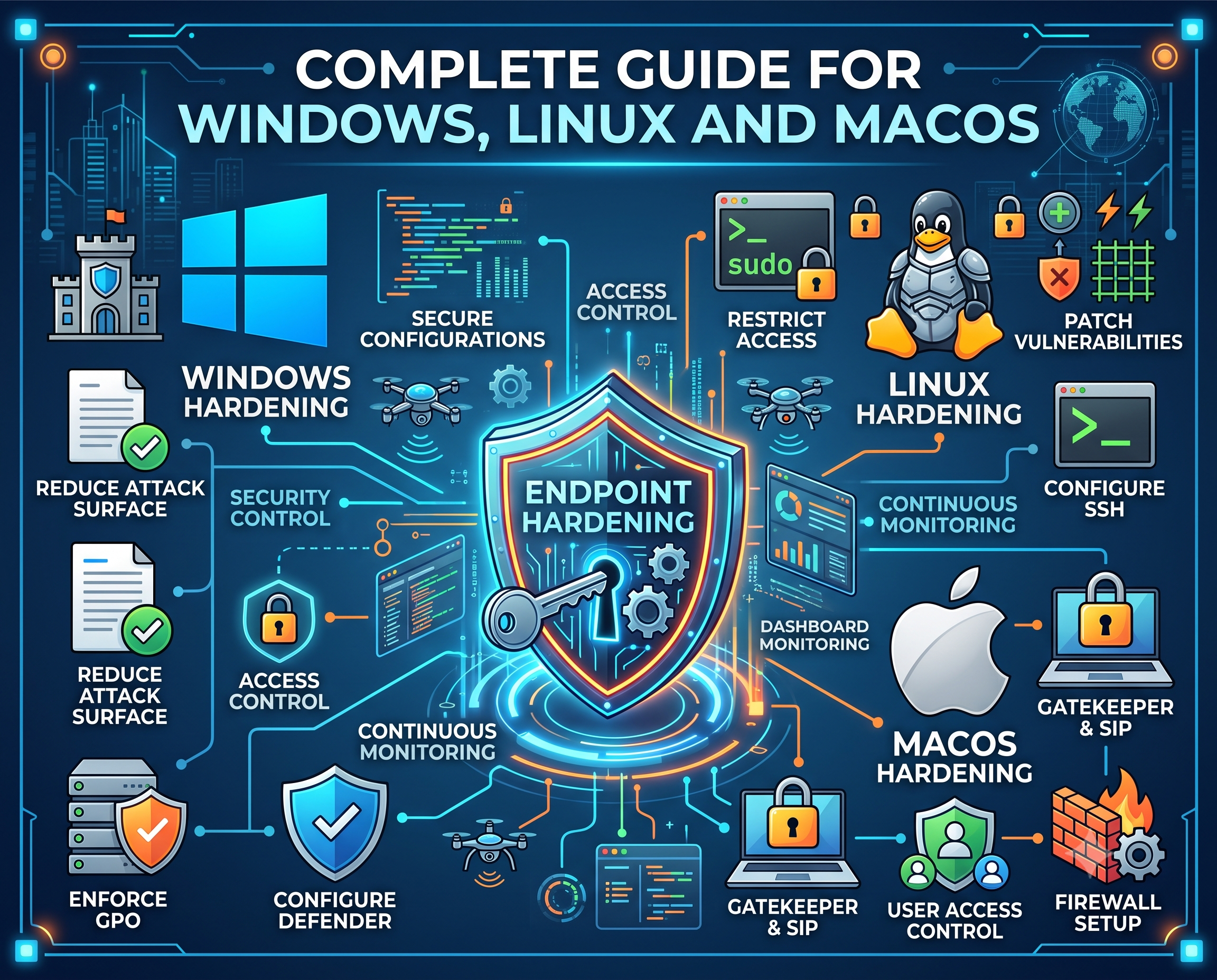
CIS Benchmarks for Windows, Linux and macOS
CIS Benchmarks can be used across different endpoint platforms, but the actual recommendations and implementation methods vary by operating system.
Windows Endpoint Hardening
Windows hardening can address areas such as account configuration, authentication, auditing, services, firewall settings, permissions, system policies, and other operating-system security controls.
Organisations should use the CIS Benchmark appropriate to their supported Windows version and test configurations against business applications before broad deployment.
Linux Endpoint and Server Hardening
Linux systems require platform-specific hardening because distributions, services, package configurations, authentication mechanisms, and administrative practices can differ.
Linux hardening should therefore consider both the selected CIS Benchmark and the operational role of the system.
macOS Endpoint Hardening
macOS endpoints also require platform-specific security configuration. Organisations should evaluate the applicable benchmark recommendations alongside device-management capabilities and business requirements.
CIS Benchmarks and Endpoint Management
Endpoint-management platforms can help organisations deploy and maintain security configurations across large numbers of devices.
A management platform can provide the operational layer needed to apply approved policies, group endpoints, collect configuration information, and perform administrative actions.
CIS Benchmarks can provide a reference point for determining which configurations should be assessed and maintained.
- CIS Benchmarks define recommended configurations.
- Endpoint management helps deploy configurations.
- Configuration assessment determines current state.
- Monitoring identifies deviations.
- Remediation restores approved configurations.
- Reporting provides visibility and evidence.
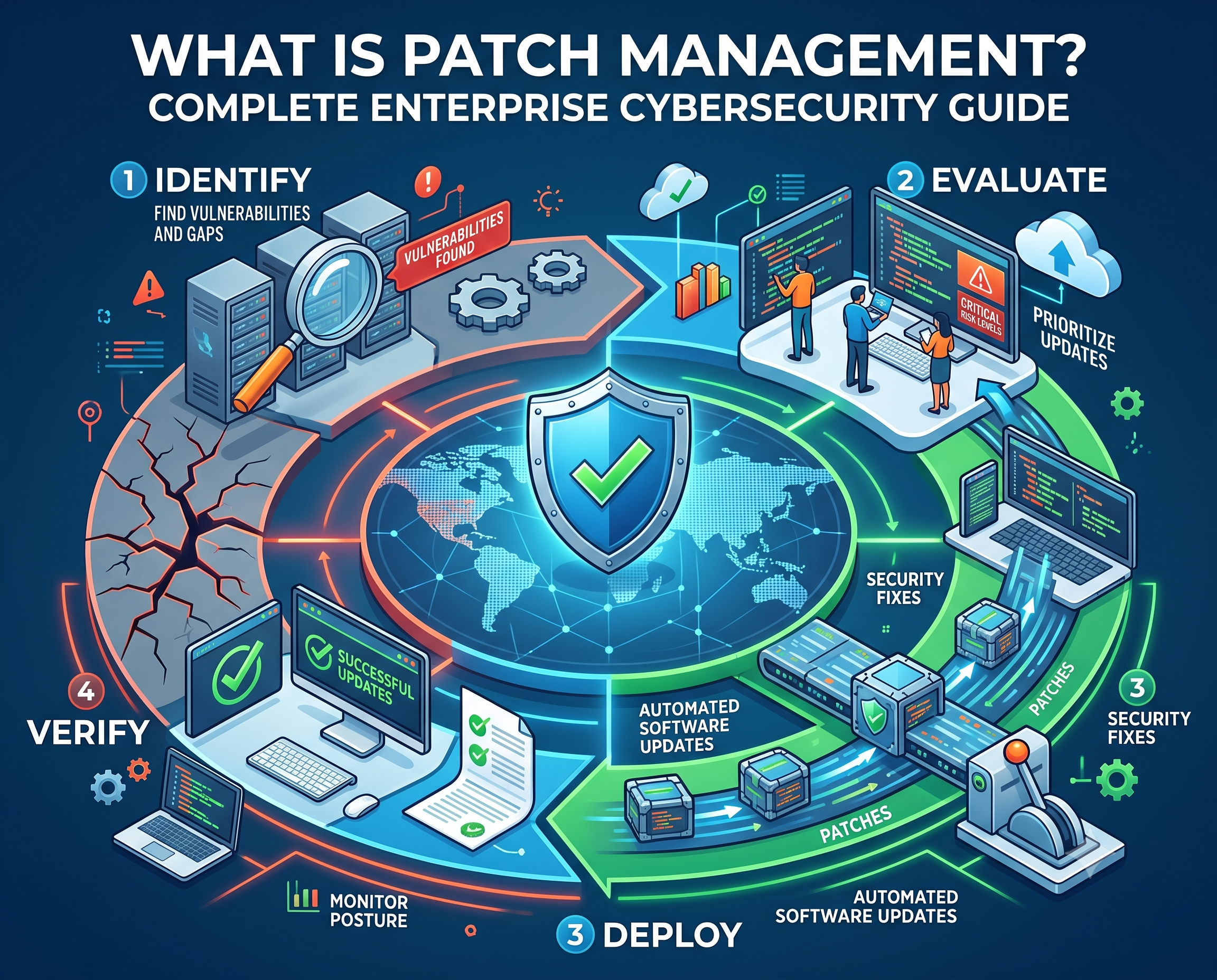
CIS Benchmarks and Patch Management
CIS hardening and patch management address different but complementary security requirements.
Hardening focuses primarily on secure configuration and reducing unnecessary exposure. Patch management focuses on keeping software and operating systems updated to address known issues and maintain supported versions.
A strong endpoint-security programme should therefore combine secure configuration with appropriate vulnerability and patch-management practices.
CIS Benchmarks and Vulnerability Management
A vulnerability assessment can identify weaknesses associated with software, operating systems, applications, or exposed services.
CIS Benchmark assessment focuses on whether systems follow defined security configuration recommendations.
These activities complement each other because an endpoint can be fully patched while still having an insecure configuration, or have a hardened configuration while running vulnerable software.
CIS Benchmarks and Compliance
CIS Benchmark assessment can provide useful technical evidence for organisations that need to demonstrate consistent security configurations.
However, CIS Benchmark compliance should not automatically be treated as proof of complete cybersecurity compliance.
Regulatory and contractual requirements may include controls beyond system configuration, such as governance, identity management, incident response, vulnerability management, logging, data protection, risk management, and audit processes.
Organisations should therefore map applicable CIS recommendations to their broader security and compliance requirements.
Common Challenges When Implementing CIS Hardening
Applying Every Recommendation Without Testing
Applying all benchmark recommendations immediately can create operational problems if dependencies and business requirements have not been evaluated.
Organisations should test and validate changes before production deployment.
Ignoring Exceptions
Some systems may require configurations that differ from the standard baseline because of application dependencies or specialised business requirements.
Exceptions should be documented, approved, reviewed periodically, and monitored rather than silently ignored.
Treating Hardening as a One-Time Project
An endpoint can become non-compliant after it has been hardened.
Without recurring assessment, organisations may not know when security configurations have changed.
Using the Wrong Benchmark Version
Benchmarks are technology and version specific. Using an inappropriate benchmark can produce misleading assessment results or recommendations that do not match the target environment.
Focusing Only on Compliance
A high compliance percentage does not automatically mean that an organisation has eliminated all security risk.
Benchmark results should be interpreted alongside vulnerabilities, endpoint exposure, identity security, threat intelligence, monitoring, and other security signals.
Best Practices for CIS Benchmark Implementation
- Maintain an accurate inventory of endpoint technologies and versions.
- Select benchmarks appropriate to the deployed technologies.
- Define an organisation-approved security baseline.
- Test configurations before production deployment.
- Use risk-based prioritisation for remediation.
- Document and approve exceptions.
- Automate assessment where practical.
- Monitor for configuration drift.
- Verify remediation after changes.
- Review benchmarks and baselines periodically.
- Integrate configuration findings with broader security operations.
- Maintain evidence of assessments and remediation activities.
How to Build a CIS-Based Endpoint Hardening Process
A mature CIS hardening programme should operate as a continuous security process rather than a one-time configuration exercise.
- Discover endpoints and identify their technology and version.
- Map endpoints to appropriate CIS Benchmarks.
- Assess current configurations.
- Identify deviations from the approved baseline.
- Prioritise findings according to security and business risk.
- Test remediation actions.
- Deploy approved configuration changes.
- Verify that remediation was successful.
- Continue monitoring endpoint configurations.
- Detect and investigate new deviations.
- Update baselines when technology or business requirements change.
What Should a CIS Hardening Dashboard Show?
Security teams need more than a single compliance percentage to understand endpoint configuration health.
- Total endpoints assessed.
- Endpoints compliant with the approved baseline.
- Endpoints with configuration deviations.
- High-risk configuration findings.
- Most frequently failed recommendations.
- Endpoints with approved exceptions.
- Remediation status.
- Repeated configuration failures.
- Configuration trends over time.
- Benchmark and baseline versions.
- Assessment timestamps.
- Evidence of remediation.
How Automation Improves CIS Hardening at Scale
Manual endpoint-by-endpoint configuration becomes difficult as organisations manage hundreds or thousands of systems.
Automation can help standardise assessment, reduce administrative effort, identify deviations more quickly, and support repeatable remediation workflows.
Automated Assessment
Automated assessment can periodically evaluate endpoint configurations against approved security requirements and identify systems that require attention.
Automated Prioritisation
Findings can be prioritised based on factors such as severity, endpoint role, exposure, business importance, and whether the configuration deviation creates meaningful security risk.
Automated Remediation
Where remediation is safe and well tested, approved automation can restore required configurations without requiring administrators to manually change every endpoint.
Automated Verification
After remediation, the endpoint should be assessed again to confirm that the intended configuration has actually been restored.
CIS Benchmarks and Continuous Security Monitoring
CIS Benchmark assessment becomes significantly more valuable when combined with continuous security monitoring.
Monitoring can identify configuration deviations while broader security controls can provide additional context about endpoint risk, suspicious activity, vulnerabilities, and security events.
This creates a more complete approach to endpoint security in which organisations can move from simply documenting secure configurations to continuously measuring whether those configurations remain effective.
CIS Hardening Checklist for Organisations
- Identify all endpoint platforms and versions.
- Select the appropriate CIS Benchmarks.
- Review benchmark recommendations.
- Define an approved security baseline.
- Identify required exceptions.
- Test hardening configurations.
- Deploy approved configurations.
- Assess endpoint compliance.
- Prioritise security deviations.
- Remediate high-risk findings.
- Verify remediation.
- Monitor configuration drift.
- Review exceptions regularly.
- Update baselines when requirements change.
- Maintain audit-ready evidence.
How CIS Benchmarks Fit Into a Broader Cybersecurity Strategy
CIS Benchmarks should be treated as one component of a broader cybersecurity programme.
Secure configuration reduces avoidable exposure, but organisations also need effective identity controls, vulnerability management, endpoint protection, network security, monitoring, incident response, data protection, and security governance.
The strongest security programmes connect these capabilities rather than treating endpoint hardening as an isolated activity.
- Secure configuration reduces unnecessary attack surface.
- Patch management addresses software and operating-system updates.
- Vulnerability management identifies security weaknesses.
- Endpoint security helps detect and protect against threats.
- Continuous monitoring identifies changes in security posture.
- Remediation restores approved security configurations.
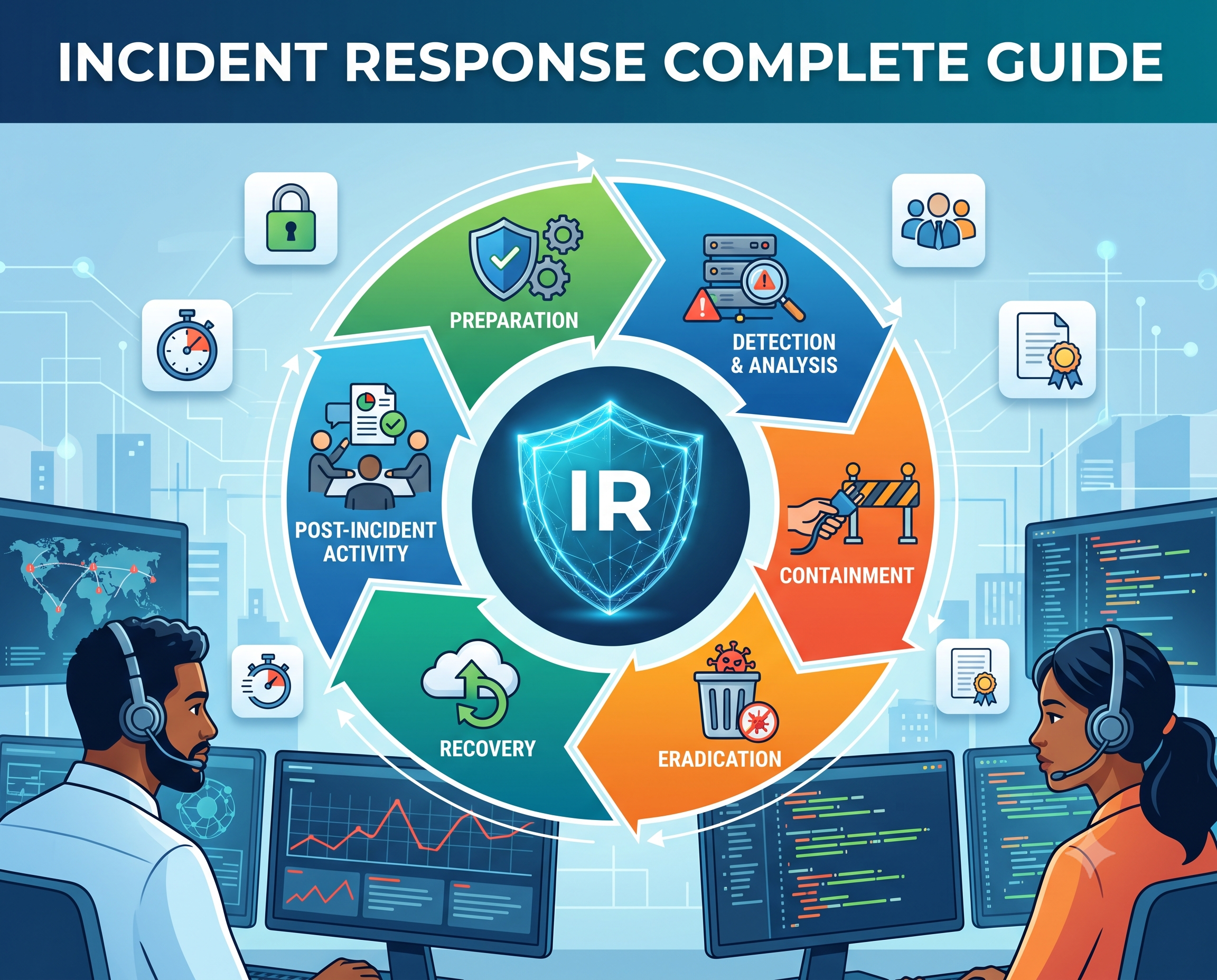
- Incident response addresses confirmed security events.
- Audit and compliance processes provide governance and evidence.
Frequently Asked Questions About CIS Benchmarks
What are CIS Benchmarks?
CIS Benchmarks are security configuration recommendations developed by the Center for Internet Security for a wide range of technologies. Organisations can use them as a reference for secure configuration assessment and hardening.
Are CIS Benchmarks mandatory?
CIS Benchmarks are generally used as security guidance and are not automatically mandatory for every organisation. Specific contractual, regulatory, customer, or internal requirements may make particular security configurations necessary.
Are CIS Benchmarks the same as CIS Controls?
No. CIS Benchmarks focus on secure configuration recommendations for specific technologies, while CIS Controls provide a broader set of cybersecurity safeguards. They can complement each other within an organisation's security programme.
Can CIS Benchmarks be used for endpoint hardening?
Yes. CIS Benchmarks are commonly used as a reference for strengthening and assessing endpoint configurations across supported operating systems and technologies.
Should organisations apply every CIS recommendation?
Not necessarily. Organisations should evaluate recommendations against their technology environment, business requirements, risk profile, and operational dependencies before implementing them.
How often should CIS compliance be checked?
The appropriate assessment frequency depends on the organisation's environment and risk requirements. Environments with frequent configuration changes generally benefit from continuous or recurring assessment rather than relying only on periodic manual reviews.
Can CIS hardening prevent all cyberattacks?
No. Hardening can reduce attack surface and configuration-related risks, but it cannot prevent every type of cyberattack. Endpoint hardening should be combined with other security controls such as patch management, endpoint protection, identity security, monitoring, and incident response.
What happens when an endpoint fails a CIS recommendation?
The organisation should determine whether the deviation is intentional, approved, or a security issue. Unapproved deviations should be prioritised, remediated where appropriate, and verified after remediation.
Can CIS Benchmark assessment be automated?
Yes. Organisations can use security-management and configuration-assessment technologies to automate portions of benchmark assessment, reporting, monitoring, and remediation workflows.
Key Takeaways
- CIS Benchmarks provide structured security configuration guidance for specific technologies.
- CIS hardening helps reduce unnecessary attack surface and configuration-related risk.
- A benchmark should be evaluated against the organisation's actual environment and requirements.
- Testing is important before deploying hardening configurations broadly.
- Security baselines should include approved exceptions where necessary.
- Endpoint configurations should be assessed repeatedly because systems change over time.
- Configuration drift can cause previously secure endpoints to become non-compliant.
- Automation can make CIS assessment and remediation more practical at scale.
- CIS hardening complements patch management, vulnerability management, endpoint protection, monitoring, and incident response.
- Benchmark compliance should support, not replace, a broader cybersecurity strategy.
Conclusion
CIS Benchmarks provide organisations with a practical foundation for establishing, assessing, and maintaining secure technology configurations. For endpoint environments, they can help security and IT teams move from inconsistent configuration practices toward measurable and repeatable hardening processes.
The most effective approach is not simply to apply benchmark recommendations once. Organisations should select the appropriate benchmark, create an approved security baseline, test changes, deploy them carefully, continuously assess endpoint configurations, identify configuration drift, and remediate significant deviations.
When CIS hardening is integrated with endpoint management, patch management, vulnerability management, continuous monitoring, and security operations, organisations can build a more consistent and measurable approach to endpoint security.
For organisations managing large endpoint environments, solutions such as Cyber Auditor can help support broader security assessment and endpoint-security visibility as part of a wider cybersecurity strategy.
Recommended Solution
See how MOBISEC solves this in practice
Topics