Vulnerability Management vs Patch Management: Why the Difference Matters
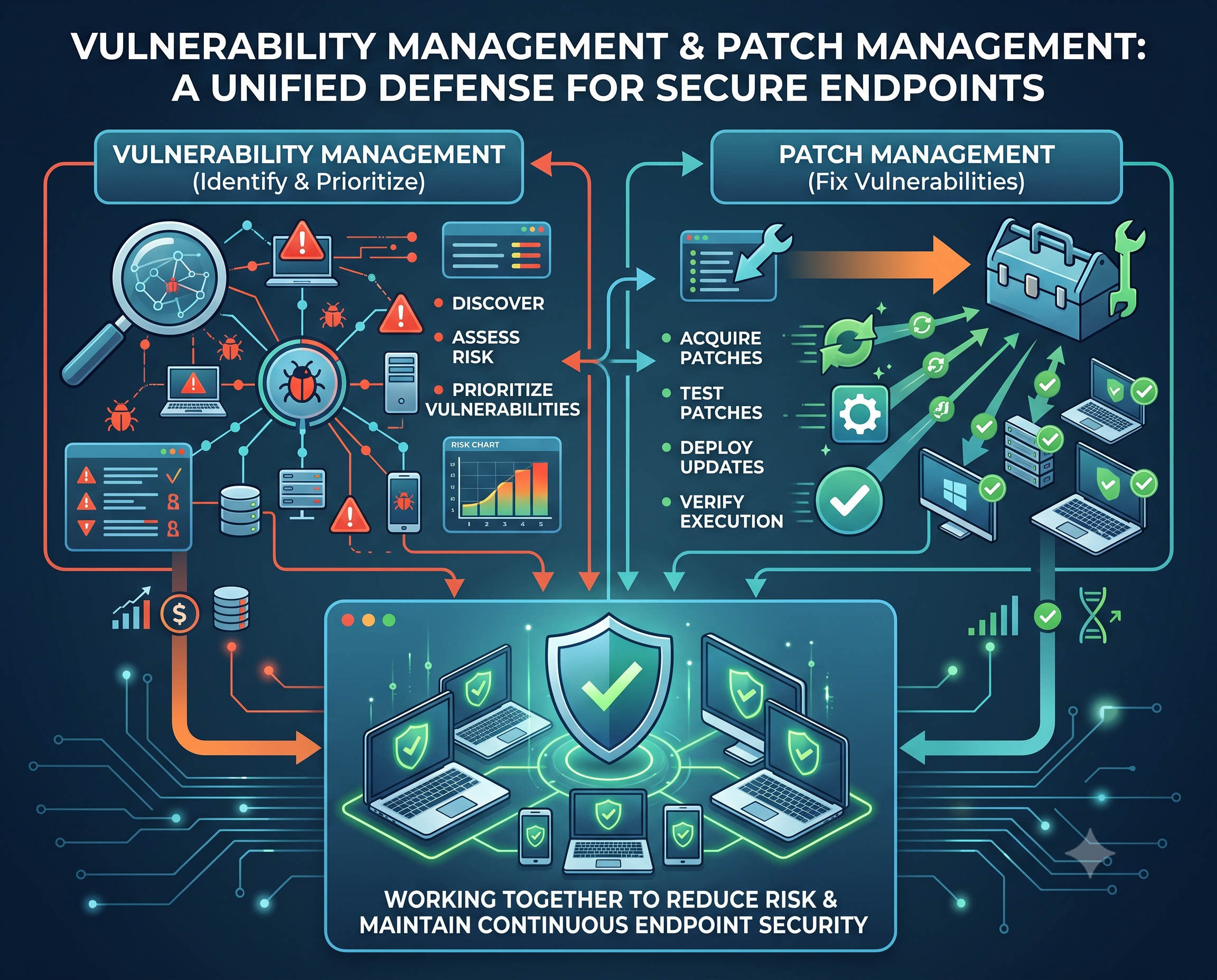
Vulnerability management and patch management are closely related cybersecurity practices, but they solve different parts of the security problem. Vulnerability management focuses on identifying, assessing, prioritising, and tracking security weaknesses across systems and applications. Patch management focuses on obtaining, testing, deploying, and verifying software updates that can correct vulnerabilities and other software defects.
The two processes should not be treated as interchangeable. An organisation can have a strong patch management process but still have unmanaged vulnerabilities caused by unsupported software, insecure configurations, applications without available patches, or vulnerabilities that require compensating controls rather than a software update.
Similarly, identifying vulnerabilities without an effective patch management process can leave known security weaknesses unresolved. A mature cybersecurity programme therefore connects vulnerability management with patch management as part of a broader vulnerability remediation lifecycle.
What Is Vulnerability Management?
Vulnerability management is a continuous cybersecurity process used to discover security weaknesses, understand their potential impact, prioritise them according to risk, coordinate remediation, and verify that risks have been reduced.
A vulnerability can exist in an operating system, application, library, network service, device configuration, firmware component, or other technology used by an organisation. Vulnerability management provides the broader process for understanding where these weaknesses exist and deciding what should happen next.
Key Activities in Vulnerability Management
A vulnerability management programme typically includes several connected activities.
- Discover assets, systems, applications, and software versions.
- Identify known and suspected vulnerabilities.
- Validate and analyse vulnerability findings.
- Assess the severity and business risk of each vulnerability.
- Prioritise vulnerabilities based on risk and exposure.
- Assign remediation responsibilities.
- Select an appropriate remediation strategy.
- Track remediation progress.
- Verify that vulnerabilities have been addressed.
- Continuously monitor for newly introduced or recurring vulnerabilities.
Vulnerability Management Is Broader Than Patching
One of the most important differences between vulnerability management and patch management is that not every vulnerability can or should be addressed simply by installing a patch.
A vulnerability may exist in software that is no longer supported. A vendor may not have released a fix. The affected application may be difficult to upgrade because of business dependencies. The vulnerability may be mitigated by disabling a vulnerable service, changing a configuration, restricting network access, removing an application, applying a compensating control, or replacing the affected technology.
This is why vulnerability management is a risk-based discipline rather than simply a software update process.
What Is Patch Management?
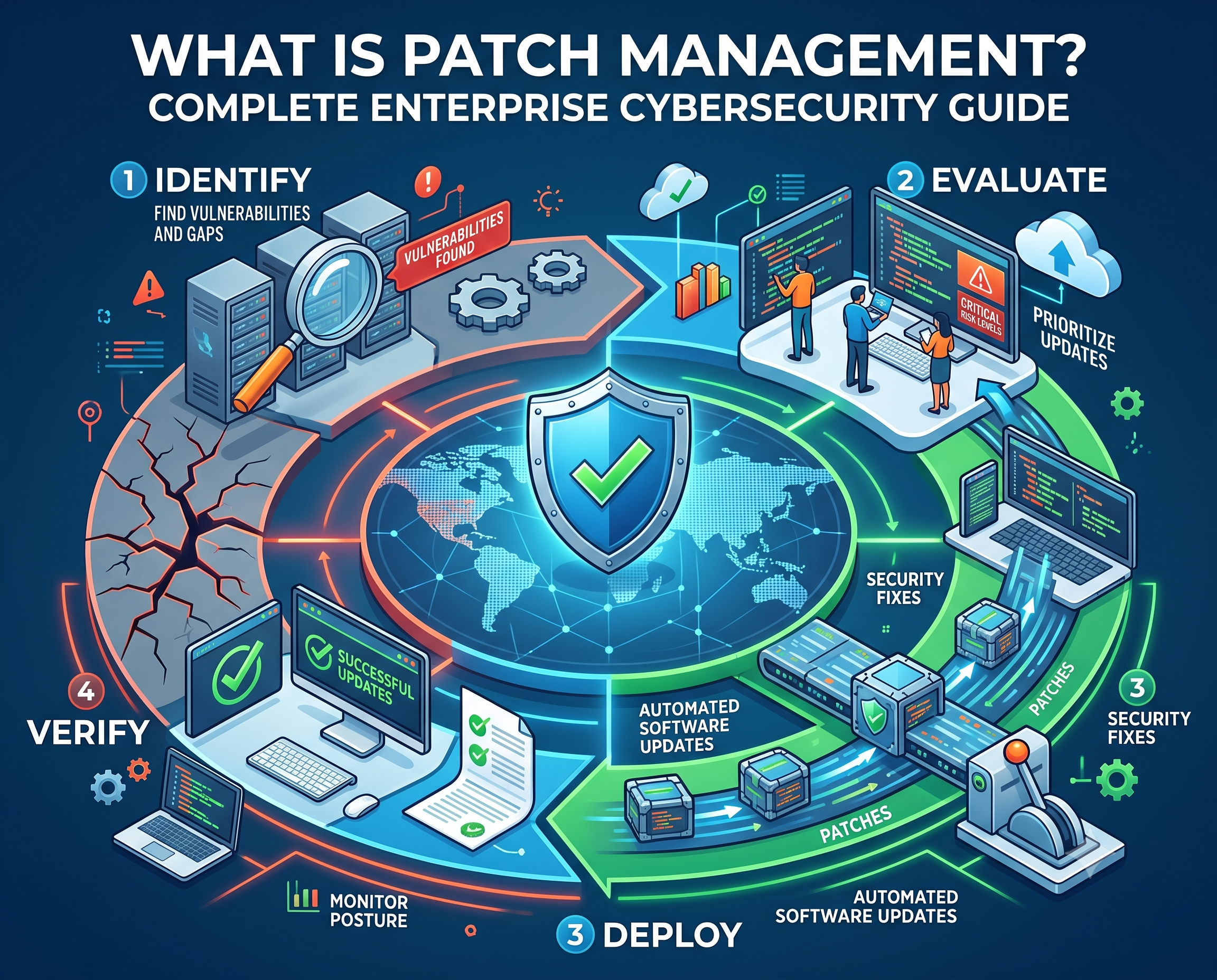
Patch management is the process of identifying available software updates, evaluating them, testing them where necessary, deploying approved updates, and verifying that systems have been successfully patched.
Patches may address security vulnerabilities, software defects, stability issues, compatibility problems, or other vendor-reported issues. In cybersecurity, patch management is particularly important because security updates can remove known weaknesses that attackers may attempt to exploit.
Enterprise patch management generally covers operating systems, applications, browsers, endpoint agents, server software, databases, and other software components that require regular updates.
Key Activities in Patch Management
An effective patch management process commonly includes the following activities.
- Maintain an accurate inventory of devices and software.
- Identify available security and software updates.
- Determine which systems require each update.
- Evaluate patch severity and business relevance.
- Test patches where application compatibility requires validation.
- Schedule patch deployment.
- Deploy patches to targeted systems.
- Monitor deployment results.
- Identify failed or incomplete installations.
- Verify patch compliance after deployment.
Vulnerability Management vs Patch Management
The simplest way to understand the difference is that vulnerability management answers the question, "What security weaknesses exist and which ones should we address first?" Patch management answers the question, "How do we safely deploy software updates that address applicable weaknesses?"
- Vulnerability management identifies and prioritises security weaknesses.
- Patch management deploys and verifies software updates.
- Vulnerability management is risk-focused.
- Patch management is update and deployment-focused.
- Vulnerability management can use multiple remediation methods.
- Patch management primarily addresses issues through software updates.
- Vulnerability management evaluates the overall exposure.
- Patch management measures whether required updates have been deployed.
- Vulnerability management continues throughout the vulnerability lifecycle.
- Patch management operates as one important remediation capability within that lifecycle.
Vulnerability Management vs Patch Management: Key Differences
Primary Objective
The primary objective of vulnerability management is to reduce security risk by identifying and prioritising weaknesses across the organisation.
The primary objective of patch management is to keep software and systems updated by deploying relevant patches and verifying their installation.
Scope
Vulnerability management has a broader scope. It can cover operating systems, applications, configurations, services, network exposure, software versions, devices, and other technology assets.
Patch management has a more specific scope around software and firmware updates. Its effectiveness depends heavily on accurate asset and software inventory.
Risk Prioritisation
Vulnerability management typically evaluates vulnerabilities using multiple factors rather than relying only on a severity score. Factors can include exploit availability, asset criticality, exposure, business importance, affected systems, compensating controls, and the potential impact of exploitation.
Patch management must then translate those priorities into practical deployment decisions, including which patches should be deployed first and where they should be applied.
Remediation Options
Vulnerability management can recommend different remediation strategies depending on the vulnerability and environment.
- Apply a security patch.
- Upgrade the affected software.
- Remove vulnerable software.
- Disable an unnecessary service.
- Change a security configuration.
- Restrict network access.
- Apply a compensating security control.
- Isolate the affected system.
- Accept the risk temporarily with documented approval.
Patch management is primarily concerned with the patching option, although patching decisions may be influenced by vulnerability management priorities.
Measurement
Vulnerability management can be measured through metrics such as vulnerability exposure, risk reduction, remediation time, overdue vulnerabilities, recurring findings, and vulnerability trends.
Patch management can be measured through metrics such as patch compliance, deployment success rate, failed patches, patch latency, missing security updates, and systems that remain unpatched.
How Vulnerability Management and Patch Management Work Together
Vulnerability management and patch management are most effective when they operate as connected processes rather than isolated security functions.
- Discover assets and software.
- Identify vulnerabilities affecting those assets.
- Assess the severity and business risk.
- Prioritise vulnerabilities for remediation.
- Determine whether a patch is available.
- Test and approve the required patch where necessary.
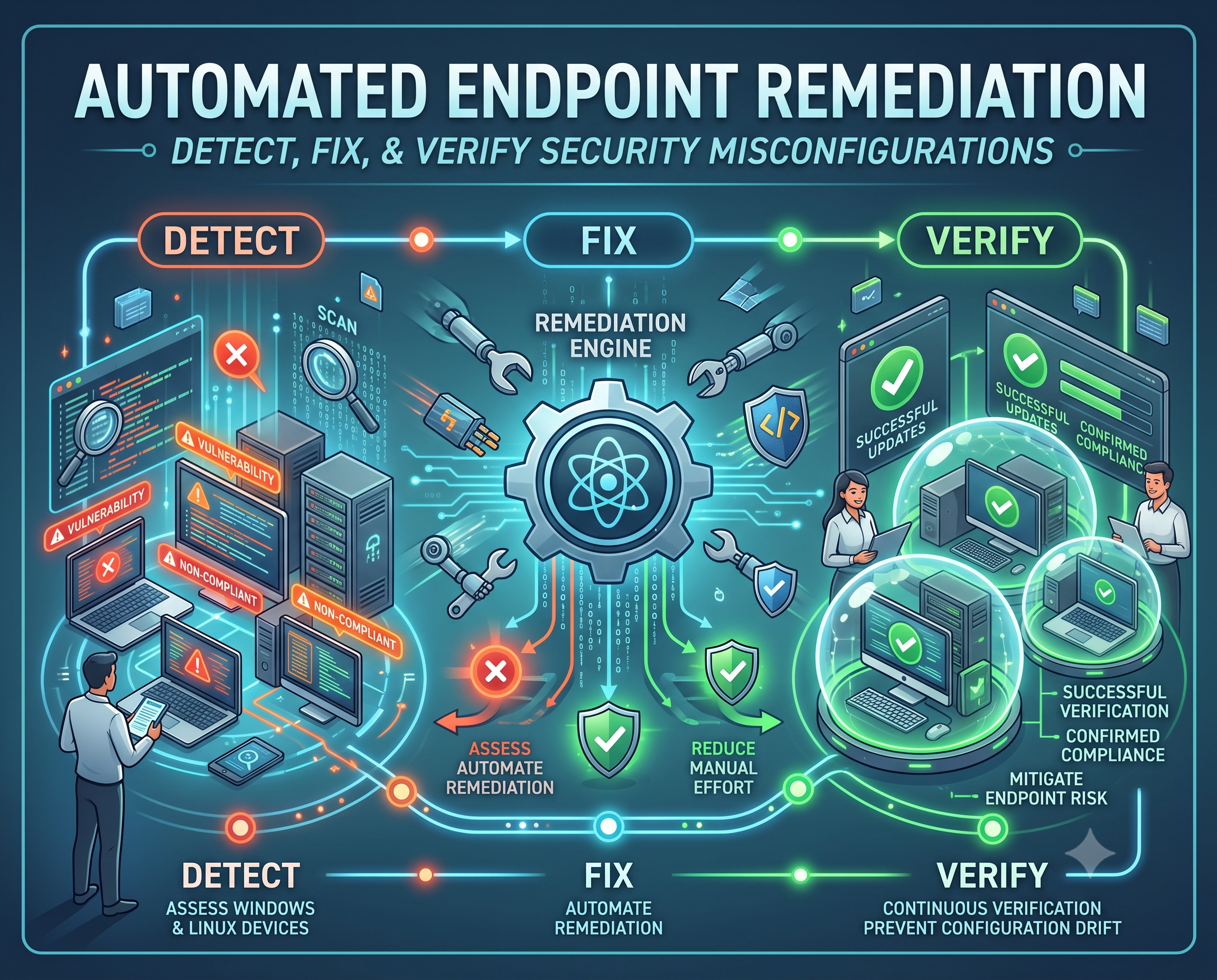
- Deploy the patch to affected systems.
- Verify that the patch was successfully installed.
- Rescan or reassess the affected systems.
- Close the vulnerability when remediation has been verified.
- Continue monitoring for new vulnerabilities and configuration changes.
This creates a closed-loop vulnerability remediation process. The goal is not simply to deploy as many patches as possible. The goal is to reduce meaningful security risk and maintain that improvement over time.
Why Patching Every Vulnerability Immediately Is Not Always Practical
Organisations often manage thousands of endpoints, applications, servers, and software components. Deploying every available patch immediately may create operational challenges.
- Some patches may require application compatibility testing.
- Some systems may support critical business processes.
- Some updates may require planned maintenance windows.
- Some vulnerabilities may affect low-risk or isolated assets.
- Some vulnerabilities may have alternative mitigations.
- Some legacy systems may not support modern patches.
- Some patches may fail and require additional remediation.
- Some systems may be temporarily offline or unreachable.
For these reasons, vulnerability management helps organisations determine which weaknesses require urgent action and which can be handled through scheduled remediation, compensating controls, or risk acceptance.
Vulnerability Prioritisation and Patch Prioritisation Are Not the Same
A common mistake is to treat vulnerability severity and patch deployment priority as identical. They are related, but they are not always the same.
A critical vulnerability on an internet-facing production server may require immediate remediation. A vulnerability with the same technical severity on an isolated system with strong compensating controls may have a different business priority.
Effective vulnerability management combines technical information with asset context and business risk. Patch management then uses those priorities to determine deployment schedules and operational actions.
The Role of Vulnerability Scanning
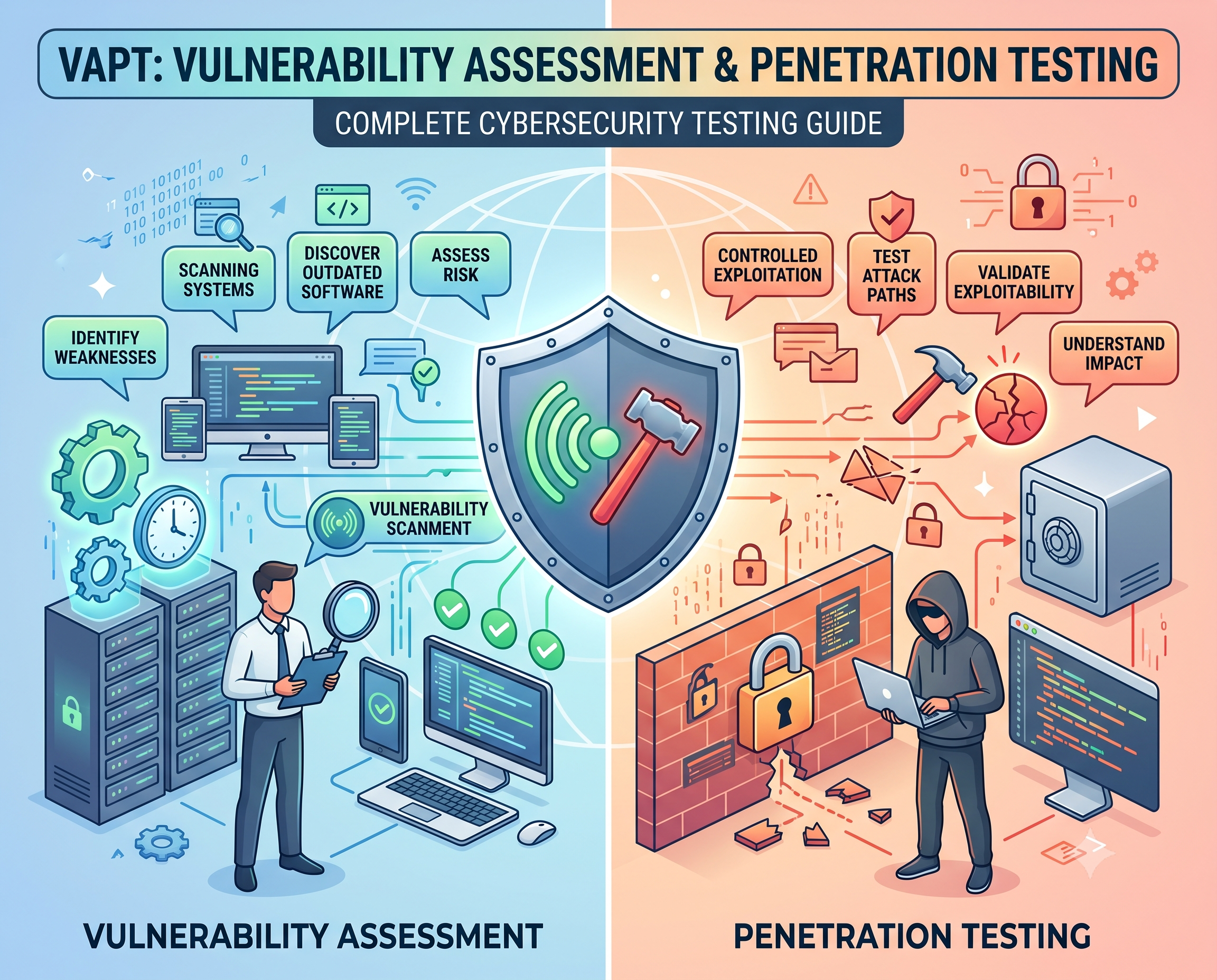
Vulnerability scanning is one of the technologies and activities that support vulnerability management. Scanners can identify potentially vulnerable software, systems, services, and configurations.
However, vulnerability scanning alone does not constitute a complete vulnerability management programme. Organisations also need prioritisation, ownership, remediation workflows, verification, reporting, and continuous monitoring.
Vulnerability Scanning vs Vulnerability Management
- Vulnerability scanning focuses on discovering potential vulnerabilities.
- Vulnerability management covers discovery, assessment, prioritisation, remediation, verification, and ongoing monitoring.
- Scanning produces findings.
- Vulnerability management turns findings into risk-based actions.
- Scanning can be periodic or continuous depending on the technology.
- Vulnerability management requires an ongoing operational process.
The Role of Patch Compliance
Patch compliance measures whether systems have received required software updates according to an organisation's patching policy.
High patch compliance can be a useful security indicator, but it does not automatically mean that an organisation has low vulnerability risk. A system may be fully patched and still contain vulnerabilities caused by unsupported software, insecure configurations, applications that require upgrades, or weaknesses for which no patch exists.
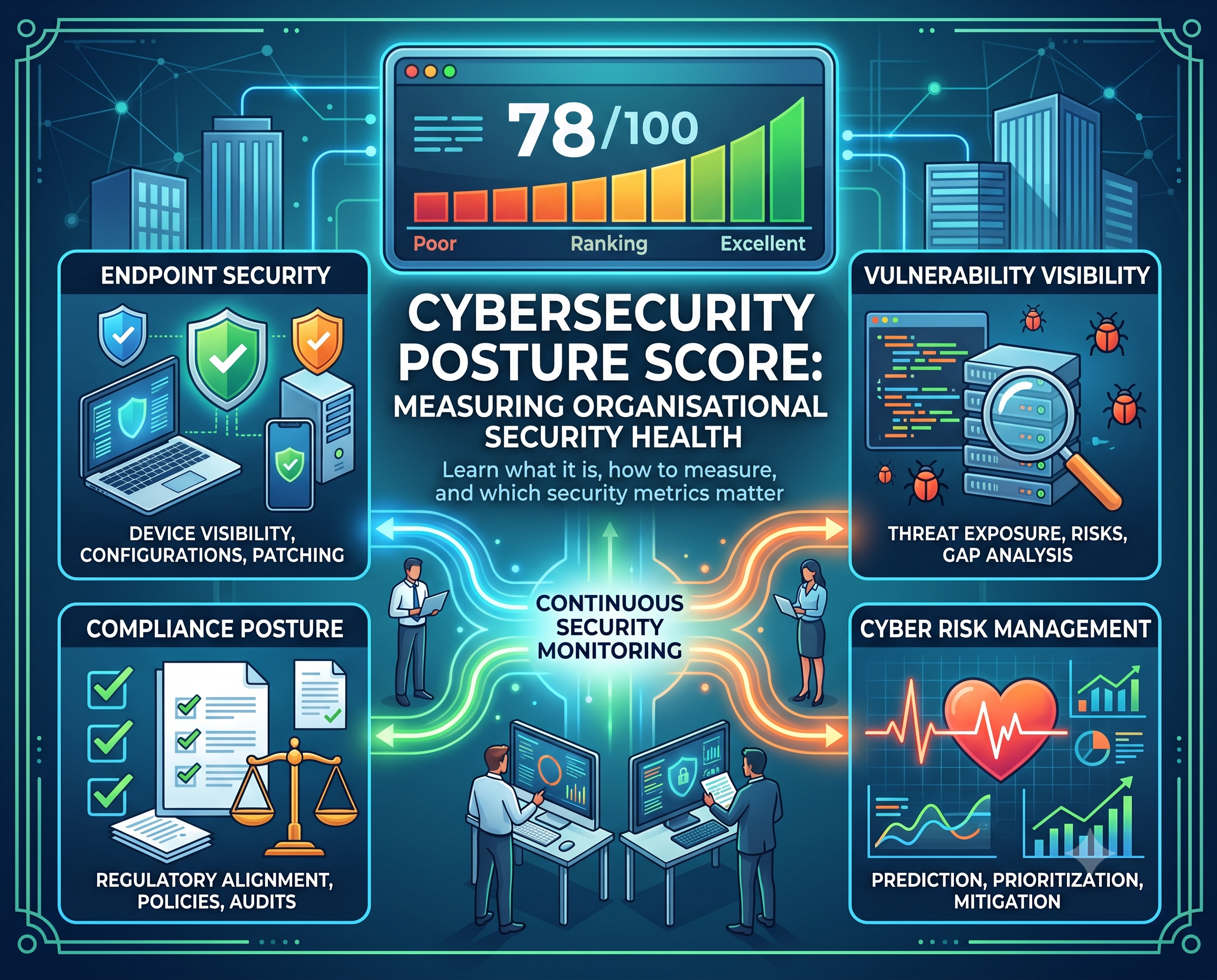
This is why patch compliance should be considered alongside vulnerability exposure and other security posture metrics.
Common Vulnerability Management and Patch Management Challenges
Incomplete Asset Inventory
If an organisation does not know which endpoints, servers, applications, and software versions are present, it cannot reliably determine its vulnerability exposure or patch requirements.
Unknown or Offline Devices
Endpoints that are offline, rarely connected, or outside normal management channels can remain unpatched and may create blind spots in vulnerability reporting.
Patch Failures
A patch may fail because of insufficient disk space, incompatible software, missing dependencies, device state, network problems, permissions, or other operational conditions. Failed deployments must be detected and remediated rather than counted as completed.
Legacy Systems
Legacy systems may run unsupported operating systems or applications that no longer receive security updates. Vulnerability management must account for these systems through upgrades, isolation, compensating controls, or replacement strategies.
Configuration-Based Vulnerabilities
Not every security weakness is caused by missing software updates. Weak authentication settings, unnecessary services, insecure permissions, exposed ports, and other configuration problems may require hardening rather than patching.
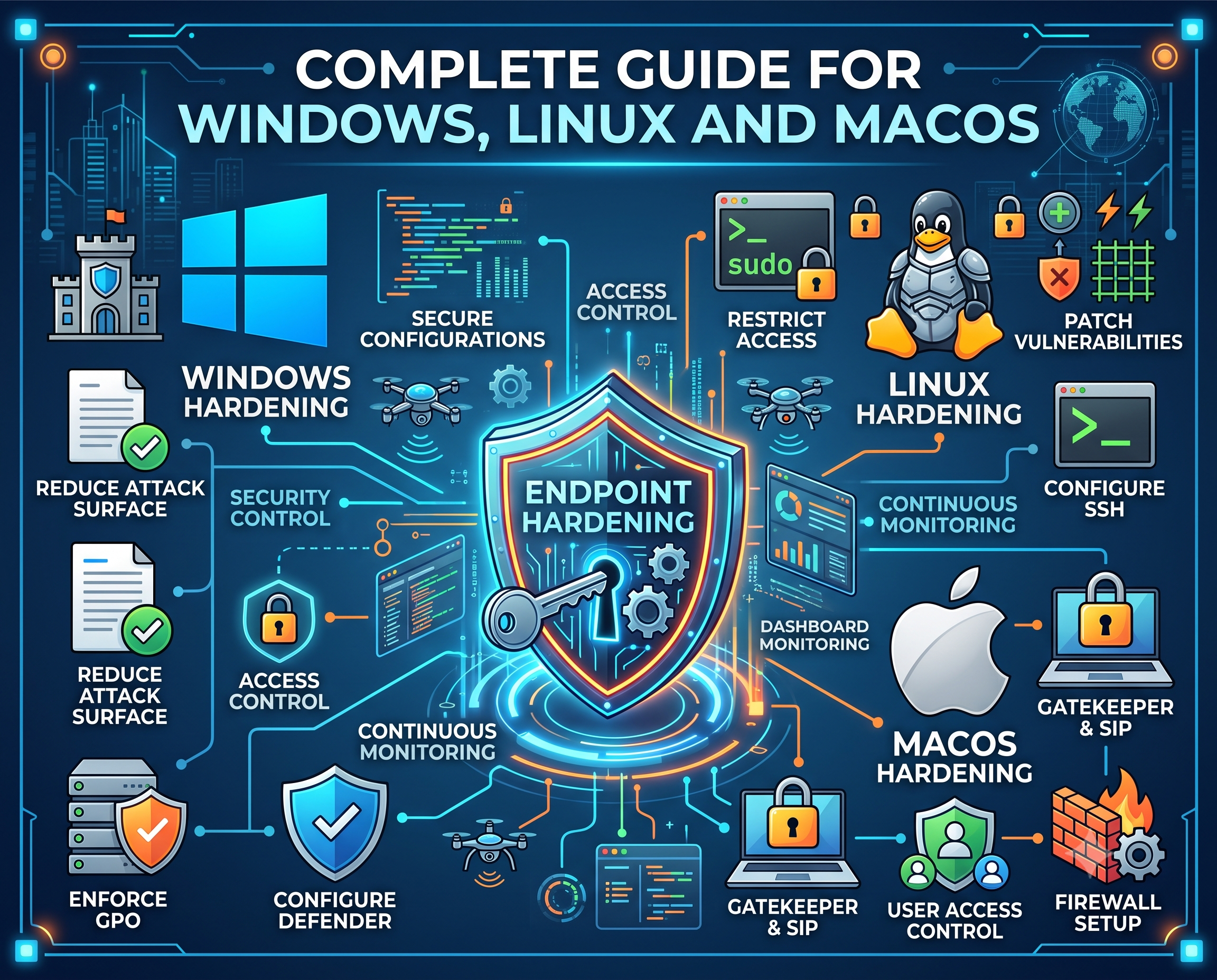
This is where vulnerability management connects with endpoint hardening and secure configuration practices.
Vulnerability Management, Patch Management and Endpoint Security
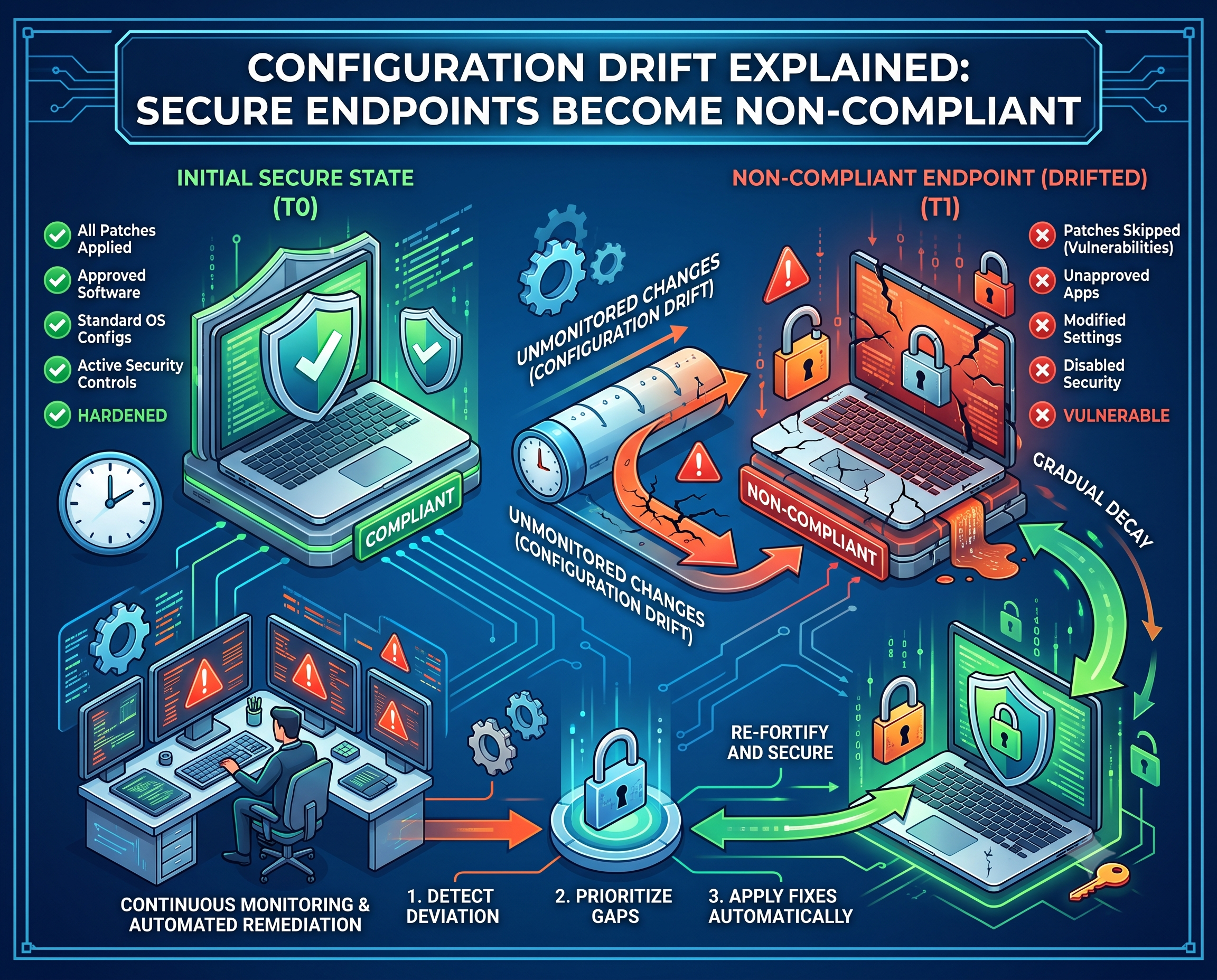
Endpoint security requires more than installing software updates. Endpoints can become exposed through outdated applications, weak configurations, excessive privileges, unnecessary services, insecure remote access, and configuration drift.
A mature security programme combines vulnerability management and patch management with endpoint hardening, security baseline monitoring, configuration assessment, and continuous security monitoring.
Organisations can learn more about endpoint security through the [Endpoint Hardening: Complete Guide for Windows, Linux and macOS] article and use vulnerability findings to identify where hardening or configuration changes may be required.
How Continuous Monitoring Improves Vulnerability and Patch Management
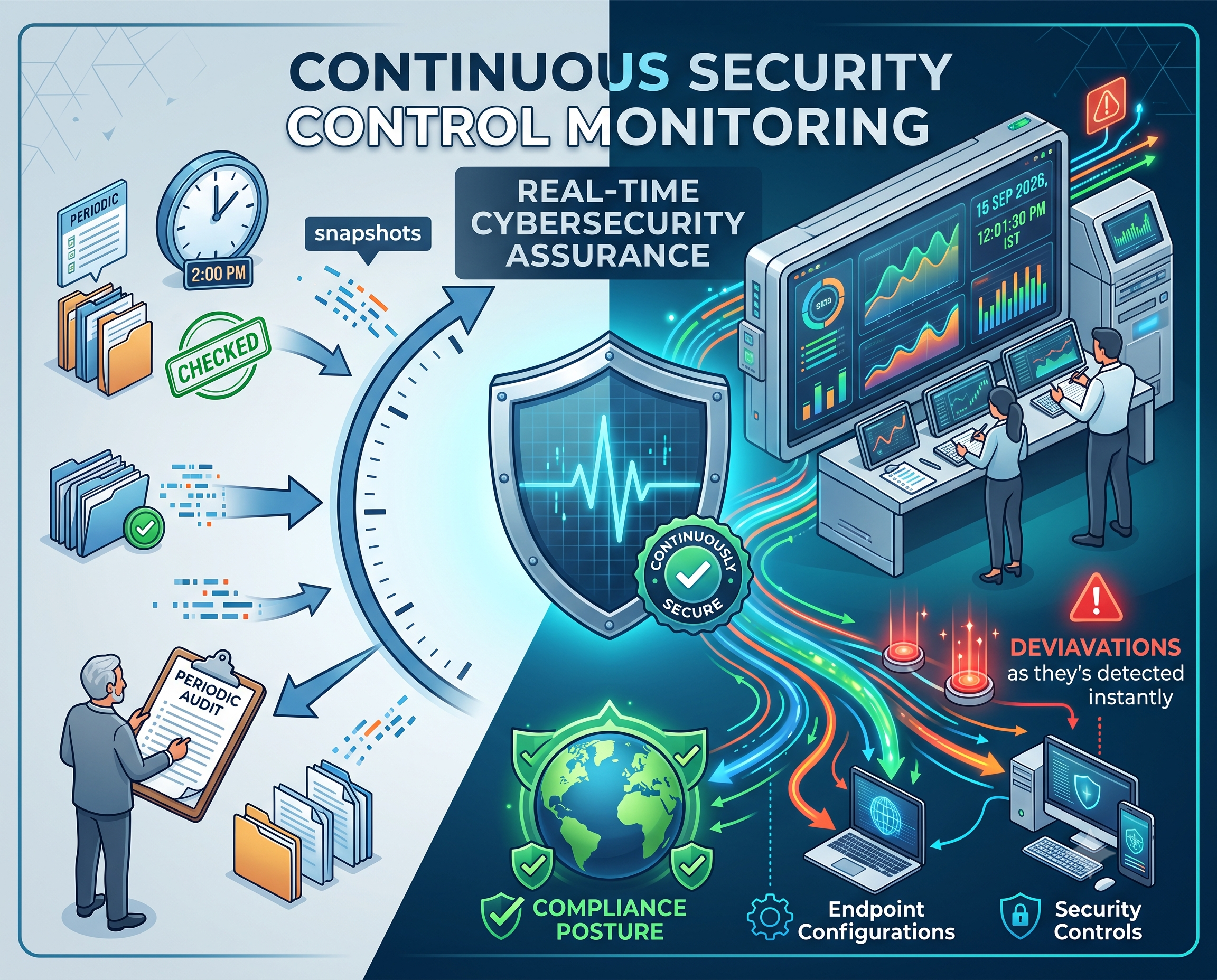
Periodic assessments provide useful snapshots, but enterprise environments change continuously. New applications are installed, software versions change, devices connect and disconnect, configurations are modified, and new vulnerabilities are disclosed.
Continuous monitoring helps identify changes that can affect vulnerability and patch posture between scheduled assessments.
- Detect newly introduced software.
- Identify outdated software versions.
- Monitor missing security updates.
- Detect configuration changes.
- Track remediation progress.
- Identify systems that fall out of compliance.
- Verify that previously remediated issues remain resolved.
- Provide current security posture visibility.
Continuous monitoring can therefore strengthen both vulnerability management and patch management by providing more current information about the environment.
Vulnerability Management vs Patch Management: A Practical Enterprise Workflow
- Build a reliable inventory of endpoints, servers, applications, and software.
- Continuously identify vulnerabilities and missing security updates.
- Correlate vulnerabilities with affected assets.
- Assess technical severity and business risk.
- Prioritise vulnerabilities based on exposure and impact.
- Determine whether patching is the appropriate remediation method.
- Test patches where required.
- Deploy approved patches according to priority.
- Monitor deployment success and failures.
- Apply alternative remediation when a patch is unavailable or unsuitable.
- Verify remediation through reassessment.
- Track unresolved risks and approved exceptions.
- Continuously monitor the environment for new vulnerabilities and configuration changes.
Key Metrics to Track
Organisations should measure both vulnerability management and patch management performance rather than relying on a single security metric.
- Number of critical and high-risk vulnerabilities.
- Average vulnerability remediation time.
- Percentage of vulnerabilities past their remediation deadline.
- Number of systems with missing critical patches.
- Patch compliance percentage.
- Patch deployment success rate.
- Number of failed patch installations.
- Average time from patch release to deployment.
- Number of recurring vulnerabilities.
- Number of unsupported applications and operating systems.
- Number of vulnerable internet-facing assets.
- Percentage of assets covered by vulnerability assessment.
- Percentage of assets covered by patch management.
- Number of unresolved vulnerabilities with approved exceptions.
How to Improve Vulnerability and Patch Management
Maintain Accurate Asset Visibility
Maintain a current inventory of endpoints, servers, applications, operating systems, and software versions. Accurate asset information is the foundation for both vulnerability assessment and patch management.
Prioritise Risk Instead of Volume
Do not treat every vulnerability as equally urgent. Combine vulnerability severity with asset importance, exposure, exploitability, and business context to determine remediation priority.
Automate Routine Patching
Automate repetitive patching activities where appropriate, while retaining testing, approval, scheduling, and exception processes for systems that require additional controls.
Verify Remediation
A patch deployment should not automatically be considered a successful remediation. Verify that the affected system received the update and that the vulnerability is no longer present.
Monitor for Recurrence
A vulnerability that returns after remediation may indicate patch failure, configuration changes, software reinstallation, incomplete deployment, or another underlying process problem. Continuous monitoring helps identify recurring issues.
Connect Vulnerability Findings With Remediation
Security teams should be able to move from vulnerability discovery to ownership, remediation, verification, and reporting without losing visibility into the original finding.
Vulnerability Management vs Patch Management: Which One Does Your Organisation Need?
The answer is both. Patch management is an essential remediation capability, while vulnerability management provides the broader process for understanding and reducing security exposure.
If an organisation only focuses on patching, it may miss vulnerabilities that cannot be solved through software updates. If it only identifies vulnerabilities without an effective remediation process, known security weaknesses can remain unresolved.
The strongest approach connects vulnerability discovery, risk prioritisation, patch deployment, alternative remediation, verification, and continuous monitoring into one security lifecycle.
How Cyber Auditor Can Support Security Posture and Vulnerability Remediation
Cyber Auditor can support organisations that need stronger visibility into endpoint security, configuration compliance, security controls, and remediation activities.
By combining endpoint assessment with continuous monitoring and security posture visibility, organisations can identify security gaps, prioritise remediation, verify improvements, and maintain better awareness of their endpoint environment.
Explore Cyber Auditor to learn how organisations can strengthen endpoint security assessment, monitoring, compliance visibility, and remediation workflows.
Vulnerability Management vs Patch Management Checklist
- Maintain an accurate endpoint and software inventory.
- Continuously identify vulnerabilities.
- Assess vulnerability severity and business risk.
- Prioritise remediation based on exposure and impact.
- Identify available security patches.
- Test patches where required.
- Deploy patches according to risk-based priorities.
- Track patch deployment success and failures.
- Address vulnerabilities without available patches through alternative controls.
- Verify that remediation was successful.
- Monitor for recurring vulnerabilities.
- Track patch compliance.
- Track vulnerability remediation time.
- Document exceptions and accepted risks.
- Continuously monitor changes to endpoint security posture.
Frequently Asked Questions
Is vulnerability management the same as patch management?
No. Vulnerability management is the broader process of identifying, assessing, prioritising, remediating, and monitoring security vulnerabilities. Patch management focuses specifically on managing software updates and deploying patches.
Can patch management exist without vulnerability management?
Yes, an organisation can operate a patching programme without a mature vulnerability management process. However, patching without vulnerability prioritisation may result in resources being spent on lower-risk updates while more important security exposures remain unresolved.
Does vulnerability management always require patching?
No. Patching is one remediation option. Other approaches can include upgrading software, removing vulnerable applications, changing configurations, disabling services, restricting access, isolating systems, or applying compensating controls.
Is vulnerability scanning the same as vulnerability management?
No. Vulnerability scanning primarily focuses on discovering potential vulnerabilities. Vulnerability management includes the wider lifecycle of assessment, prioritisation, remediation, verification, reporting, and continuous monitoring.
What is patch compliance?
Patch compliance measures whether systems have received required patches according to an organisation's defined patching policy and timelines.
Why is patching important for endpoint security?
Patching can remove known software vulnerabilities and reduce opportunities for attackers to exploit outdated systems. However, patching should be combined with vulnerability management, endpoint hardening, secure configuration, and continuous monitoring.
How often should vulnerability management be performed?
Vulnerability management should be treated as a continuous process rather than a one-time activity. Organisations should continuously maintain asset visibility, identify vulnerabilities, prioritise risk, track remediation, and verify that security improvements remain effective.
Key Takeaways
- Vulnerability management and patch management are related but different cybersecurity disciplines.
- Vulnerability management focuses on identifying, assessing, prioritising, and reducing security risk.
- Patch management focuses on deploying and verifying software updates.
- Not every vulnerability can be solved through patching.
- Risk-based prioritisation helps organisations focus remediation resources where they matter most.
- Patch compliance alone does not provide a complete view of cybersecurity risk.
- Successful remediation should be verified rather than assumed.
- Continuous monitoring helps detect new vulnerabilities, failed patches, configuration changes, and recurring security issues.
- The strongest programmes connect vulnerability management, patch management, endpoint hardening, and continuous security monitoring.
Conclusion
Vulnerability management and patch management work together, but they should not be treated as the same process. Vulnerability management provides the broader risk-based framework for discovering security weaknesses, determining which issues matter most, coordinating remediation, and verifying that risks have been reduced.
Patch management provides one of the most important remediation mechanisms by helping organisations identify, test, deploy, and verify software updates. When these processes are connected, security teams can move from vulnerability discovery to effective remediation while maintaining visibility into patch compliance and endpoint security.
For modern enterprises, the goal should not simply be to install more patches. The goal is to continuously understand security exposure, prioritise meaningful risks, remediate them efficiently, verify the results, and maintain a secure environment as systems and threats change.
Recommended Solution
See how MOBISEC solves this in practice
Topics